

Choosing the wrong shot blasting machine can silently erode your production line—through downtime, rejected parts, and underperforming coatings.
To choose the right shot blasting machine for surface preparation, assess your workpiece size, surface finish goals, abrasive compatibility, and overall production demands.
This guide will help you evaluate every critical factor—from machine type to operating cost—to make an informed and confident investment that maximizes ROI and process efficiency.
What is Shot Blasting?
Do your coatings peel, chip, or fail inspection despite proper application?
Shot blasting is a controlled surface treatment process using abrasive particles propelled at high speed to clean, texture, or prepare substrates for coatings or finishing.
In industrial manufacturing, surface condition directly affects the performance of paints, coatings, adhesives, and corrosion protection. Shot blasting ensures that substrates are clean, roughened, and ready to form strong mechanical bonds with subsequent coatings.
For example, in the automotive industry, chassis components that aren’t properly blasted often develop premature rust due to poor adhesion. In aerospace, a poor surface profile can result in costly rework or even rejected parts due to non-compliance with MIL-SPEC standards.
When done correctly, shot blasting increases the bonding surface area, removes contaminants, and creates a uniform texture that helps coatings last longer—even under extreme conditions like marine exposure, chemical abrasion, or high-cycle fatigue.
Why is Surface Preparation Important in Industrial Applications?

Are you applying the world’s best coatings—on unprepared surfaces?
Surface preparation is the foundation of high-performance coatings, as it removes contaminants and creates the necessary surface profile for adhesion.
Without proper prep, coatings may not chemically or mechanically bond to the substrate, leading to blistering, delamination, or early corrosion. This can compromise product lifespan, safety, and compliance with quality standards like ISO 8501 or SSPC-SP.
In industries like offshore energy, power generation, or medical equipment, the cost of coating failure can be catastrophic. A failed protective layer can mean oil leakage, contamination, structural failure, or downtime worth millions.
Shot blasting not only cleans the surface but controls surface roughness (Ra) in microns—ensuring coatings match their performance specifications. This attention to detail reduces rework and extends the lifecycle of coated parts by years.
Overview: How Shot Blasting Improves Adhesion, Coating Performance, and Surface Longevity
Tired of short-lived finishes and recurring corrosion?
Shot blasting creates the perfect “anchor profile” for coatings, improving durability, chemical resistance, and aesthetic quality.
The profile generated by blasting enhances the mechanical grip of primers, powder coatings, or plating systems. It also exposes any hidden cracks or defects that could compromise structural integrity.
A properly blasted steel beam, for example, can extend coating life by 5–10 years in marine environments. In the electronics sector, controlled blasting ensures even, repeatable surface conditioning critical to conductive coatings and PCB adhesion.
Simply put: the right blast process ensures the substrate is clean, reactive, and bonded for long-term performance.
Types of Shot Blasting Machines for Surface Preparation
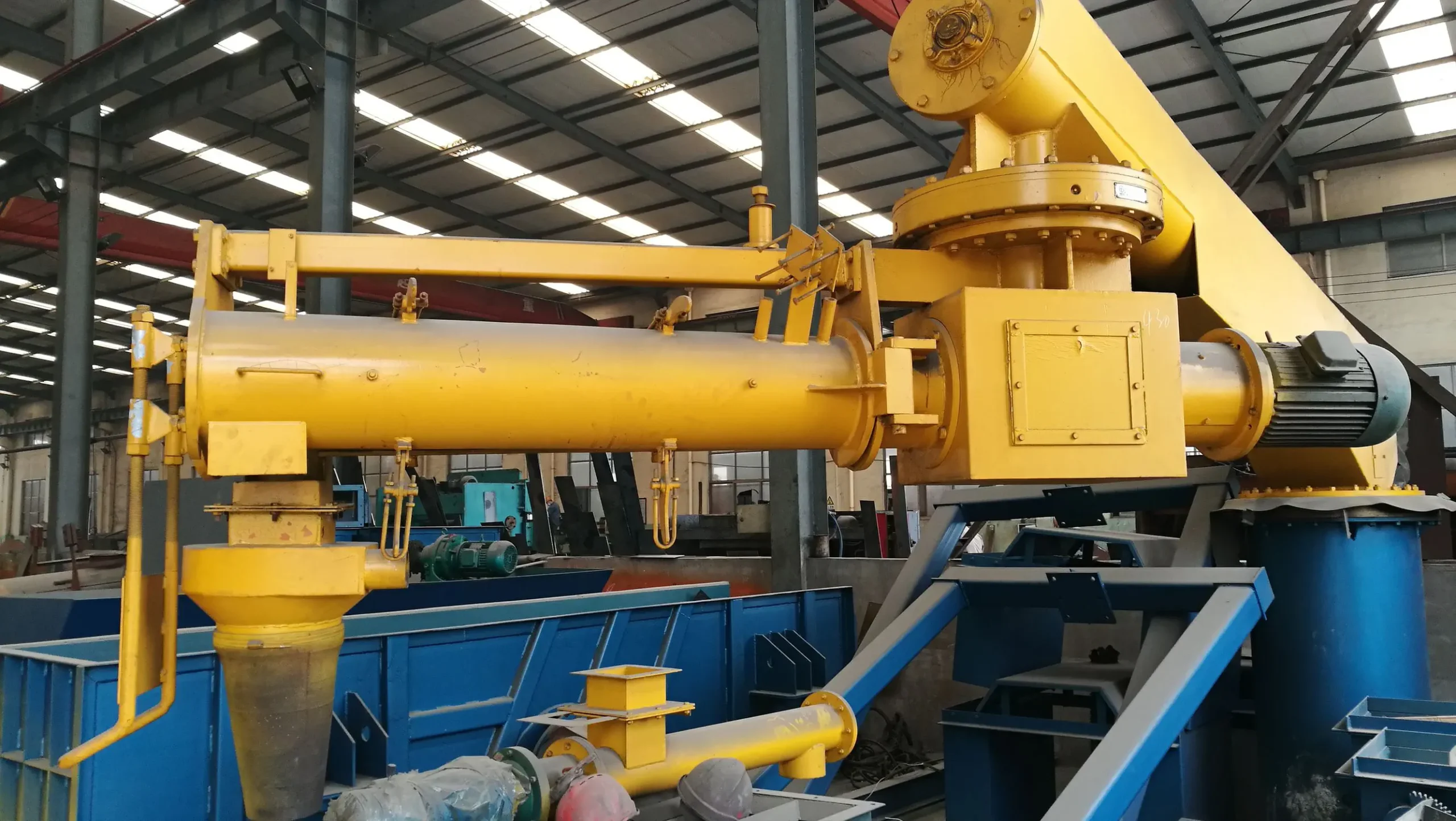
Confused by wheel vs. air vs. wet blasting? You’re not alone.
There are three main categories of shot blasting machines, each with specific strengths based on part geometry, finish requirements, and production volume.
Let’s explore the pros and cons of each in real-world applications.
Wheel Blasting Machines for Large-Scale Surface Preparation
Struggling with throughput on heavy, flat parts?
Wheel blasting machines use centrifugal force to throw abrasive media at high speed, making them ideal for continuous treatment of large, heavy components.
They are common in structural steel fabrication, shipbuilding, and pipe manufacturing. I’ve deployed these systems for clients blasting beams up to 18 meters long, with fully automated conveyor lines that reduce labor by over 40%.
Key Advantages:
| Feature | Benefit |
|---|---|
| High Throughput | Treats large volumes in continuous mode |
| Abrasive Recycling | Lowers operational cost over time |
| Heavy-Duty Build | Handles aggressive cleaning jobs |
Limitations: High energy consumption and limited flexibility on small or intricate parts.
Air Blasting Machines for Precision Surface Preparation
Need total control for high-value, small-batch parts?
Air blasting machines use compressed air to deliver abrasive particles through nozzles, ideal for detailed, variable, or delicate work.
These systems excel in aerospace, die casting, and tool reconditioning. One client used air blasting to clean turbine blades with ±10 micron tolerances—impossible with wheel systems.
Key Advantages:
| Feature | Benefit |
|---|---|
| Manual or Robotic Control | Customizable coverage and angles |
| Lower Initial Cost | Cost-effective for small-scale use |
| Versatile Media | Supports softer or specialty abrasives |
Limitations: Slower cycle times and higher dust generation if not enclosed.
Wet Blasting Machines for Delicate Surface Preparation
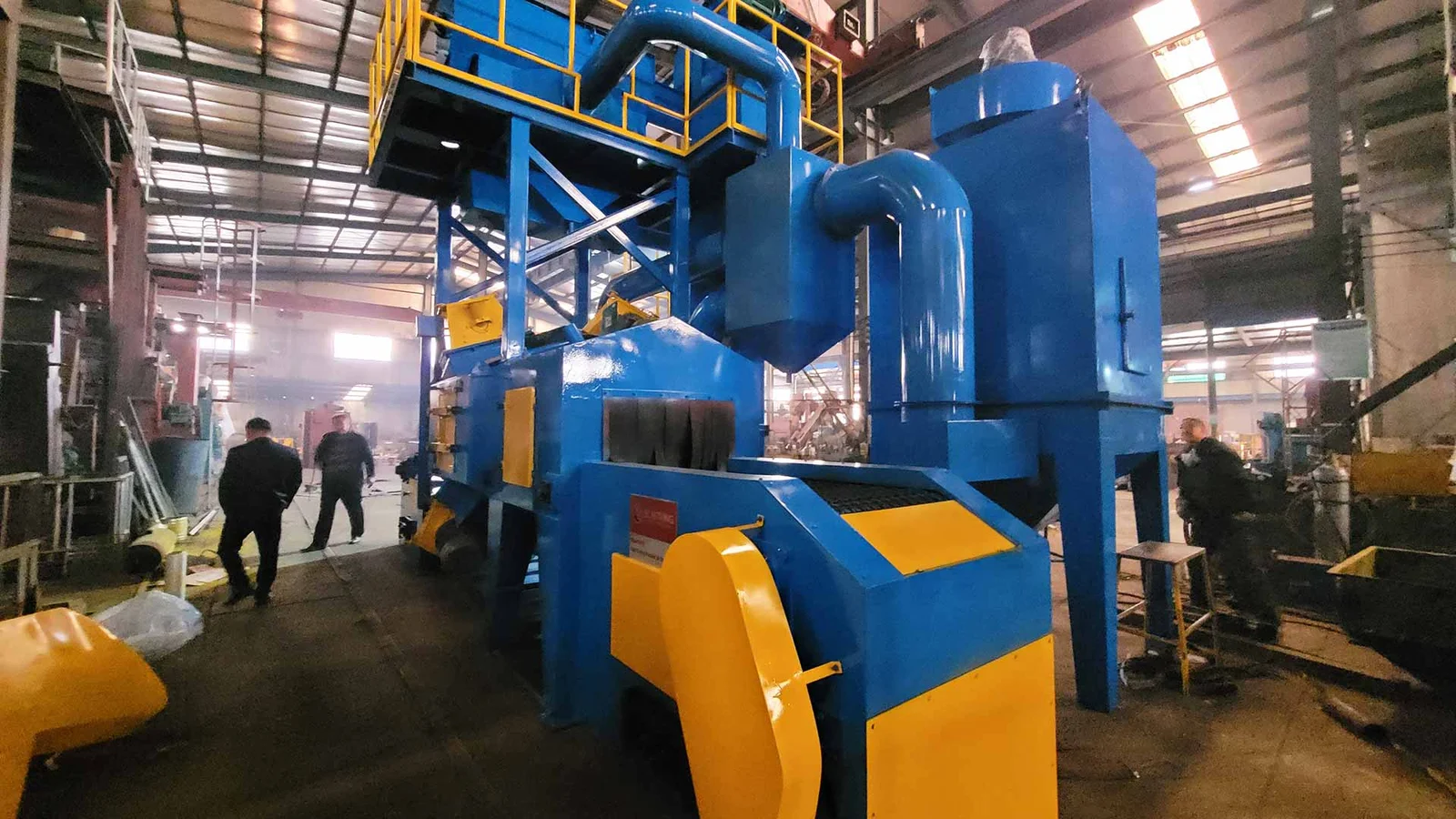
Need to blast plastic, rubber, or heat-sensitive materials?
Wet blasting suspends abrasives in water, reducing dust and heat generation—ideal for electronics, aerospace, and medical components.
For instance, I once helped a medical equipment manufacturer switch from air to wet blasting for titanium implants. The results? Fewer microfractures, smoother finishes, and zero contamination risk.
Key Advantages:
| Feature | Benefit |
|---|---|
| Low Dust | Safer and cleaner workspace |
| Surface Cooling | Prevents warping or heat stress |
| Fine Finish | Excellent for final cosmetic or tactile surfaces |
Limitations: More complex to maintain (slurry systems), and not suited for heavy-scale removal.
Choosing the Right Abrasive Material for Surface Preparation
Ever use the right machine—but get the wrong finish?
Let’s break down which media to use based on your needs.
Steel Shot and Grit: For Aggressive Cleaning
Best for: Removing rust, scale, epoxy, and forging flash.
Steel media is durable and reusable, perfect for high-volume environments. It produces a sharp, angular profile suited for epoxy or zinc-rich primers.
Glass Beads: For Smooth Finishing
Best for: Polishing, cosmetic prep, or light coating removal.
Creates a clean, bright finish without removing base metal. Perfect for stainless steel, aluminum casings, and decorative parts.
Aluminum Oxide: For Hard Surface Profiling
Best for: Anodizing prep, roughening, or aggressive decontamination.
Sharp, fast-cutting, but less recyclable. Often used in aerospace and electronics due to its consistent etch quality.
Plastic Media: For Sensitive Surfaces
Best for: Aircraft composites, electronics housings, and plastic moldings.
Removes paint or coatings without damaging the underlying surface. Offers precision with minimal abrasion.
Comparison Table:
| Media | Profile | Recyclability | Application |
|---|---|---|---|
| Steel Grit | Aggressive | High | Heavy coatings |
| Glass Beads | Smooth | Medium | Cosmetic finish |
| Aluminum Oxide | Sharp | Low | Surface etching |
| Plastic | Gentle | Low | Sensitive parts |
How to Match Shot Blasting Machine Type to Workpiece Characteristics

Still unsure which setup fits your product line?
Match blasting technology and abrasive media based on size, material, coating type, and finish requirement.
Based on Workpiece Size and Shape
- Wheel blasting: Large, flat, or heavy parts like structural steel or pipe sections.
- Air blasting: Small, intricate parts with varied shapes.
- Wet blasting: Fragile or heat-sensitive items like composites or electronics.
Based on Coating Type and Thickness
Thicker coatings or heavy corrosion require more aggressive media (steel grit) and wheel blasting. Thin coatings or prep for anodizing may only require aluminum oxide via air or wet blasting.
Based on Desired Finish Quality
- Rough profiles: Steel grit with wheel blasting for epoxy primer grip.
- Smooth profiles: Glass bead or plastic media via air or wet blasting.
Checklist Table:
| Criteria | Best Choice |
|---|---|
| Large, heavy part | Wheel blasting |
| Intricate geometry | Air blasting |
| Sensitive surface | Wet blasting |
| Thick coating | Steel grit |
| Smooth finish | Glass beads |
Cost Considerations When Choosing a Shot Blasting Machine
Low price tags often hide long-term costs.
Evaluate not just initial investment, but energy usage, maintenance cycles, media cost, and productivity losses.
For example, a tumble wheel blasting machine may cost more upfront, but it pays back through automation and reduced manual labor in high-volume operations.
| Factor | Wheel Blasting | Air Blasting | Wet Blasting |
|---|---|---|---|
| CapEx | High | Medium | Medium |
| OpEx | Medium–High | Low | Medium |
| Media Use | Recyclable | Variable | Expensive |
| Maintenance | Frequent | Low | Moderate |
Maintenance Requirements for Shot Blasting Machines

Neglecting maintenance? You’re inviting downtime and inconsistent results.
Each blasting system requires specific care to maintain efficiency, safety, and part quality.
Wheel Blasting
- Replace blast wheels and liners every 600–800 hours.
- Monitor separator efficiency for consistent media grading.
- Lubricate bearings, check seals monthly.
Air and Wet Blasting
- Air: Inspect nozzles, filters, and hoses weekly.
- Wet: Clean slurry tanks, anti-corrosion additives, check pump seals.
A structured preventive maintenance plan not only reduces repair costs but also ensures consistent blasting profiles.
Expert Tips for Optimal Shot Blasting Surface Preparation
Even the best equipment fails without process control.
Surface profile testing, blasting angle optimization, and routine calibration improve coating results dramatically.
- Use replica tape or profilometers to measure Ra (ideal range: 50–125 microns).
- Avoid blasting perpendicular to sharp edges—this reduces material fatigue.
- Train operators on nozzle standoff distances to maintain finish consistency.
Avoid shortcuts like reusing contaminated media, ignoring dust collector maintenance, or blasting at inconsistent pressures. These small oversights lead to big failures.
Conclusion
Choosing the right shot blasting machine isn’t just a technical decision—it’s a strategic one. Match machine type, abrasive, and process control to your application and long-term goals. Always balance cost, efficiency, and surface quality to get the best value for your production line.


