
Custom Shot Blasting & Surface Preparation Systems
Hitech engineers and manufactures custom systems around the workpiece, required surface, throughput and line conditions. Define the requirement before choosing the equipment.
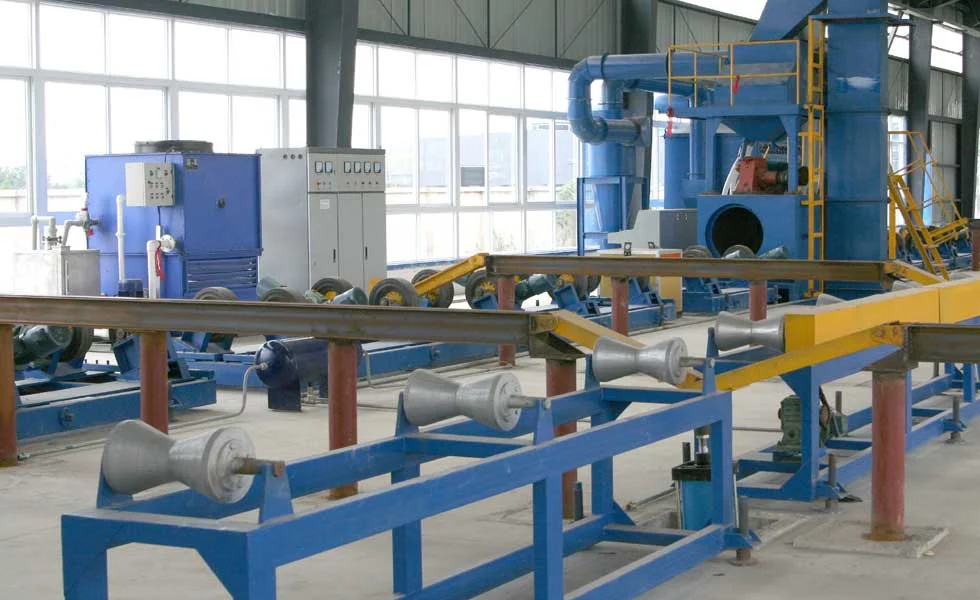
Four inputs. One useful starting point.
Frame the first technical discussion around the work, the accepted result and the complete operating boundary.
Workpiece & Material
Material, geometry, dimensions and loaded mass.
Surface Requirement
Current condition, accepted cleanliness and surface profile.
Production Flow
Loading, treatment, inspection and unloading.
Site & Lifecycle
Utilities, interfaces, access and support scope.
Start with the part.
Record the material, geometry, current surface and areas to be treated. The Applications Hub organizes the workpiece context; the complete requirement determines the configuration.
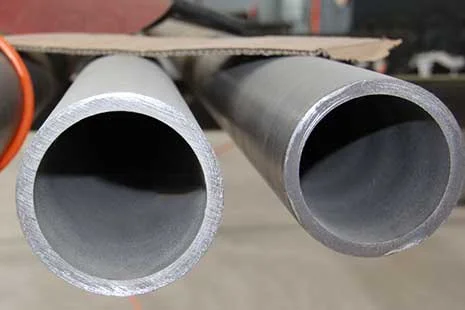
Match the system to the requirement.
Equipment families provide a route into evaluation. They do not establish suitability for every workpiece.
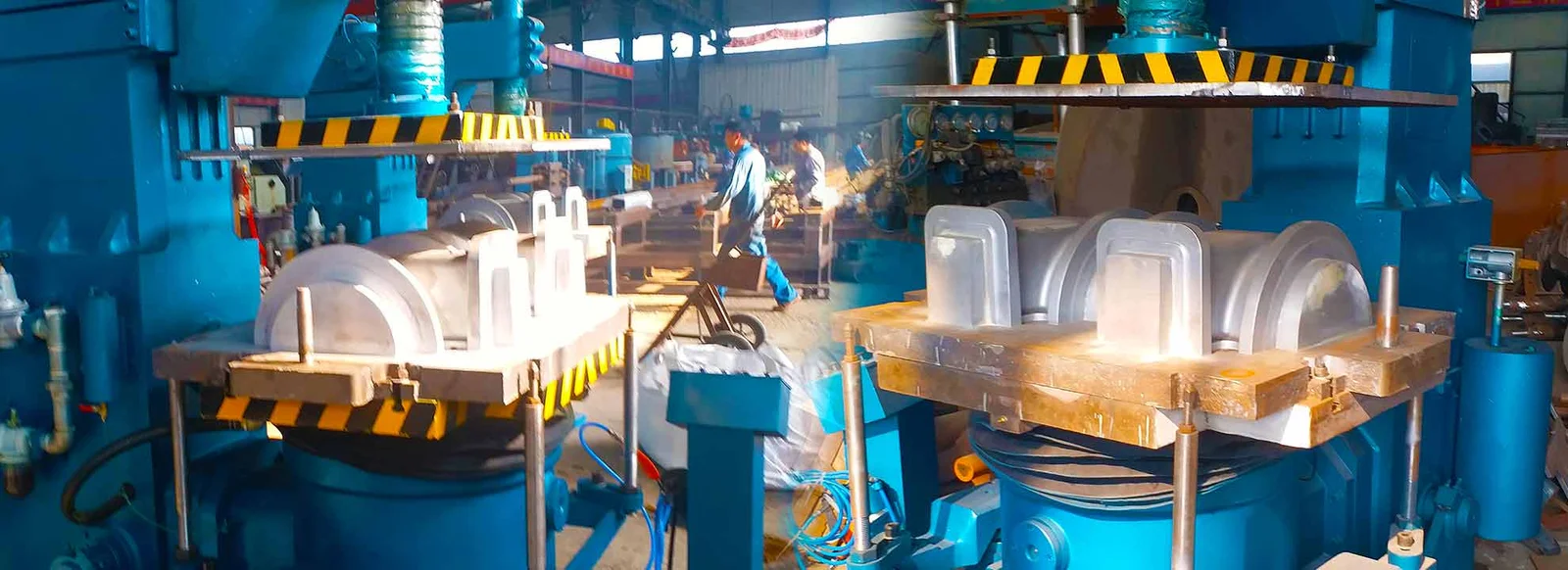
A system is a sequence of decisions.
Define the process, architecture, interfaces and acceptance together. Every value remains specific to the actual project.
- 01Workpiece
- 02Material
- 03Size / Weight
- 04Current Surface
- 05Required Cleanliness
- 06Surface Profile
- 07Throughput
- 08Abrasive
- 09Blast Wheel
- 10Machine Architecture
- 11Dust Collection
- 12Automation
- 13FAT
- 14Installation
- 15Service / TCO
Engineering through manufacturing.
Since 1999, Hitech has developed shot-blasting equipment. Quality and acceptance requirements are confirmed through the applicable project documentation.
Shot-blasting equipment development.
Engineering, fabrication, assembly, system integration and FAT.
Selected components sourced from qualified suppliers.
Plan beyond equipment delivery.
Remote support, overseas installation and commissioning, training, spare parts and emergency assistance are available according to project requirements.
Installation & Commissioning
Confirm equipment interfaces and site responsibilities.
Operator Training
Define training scope and format for the project.
Parts & Maintenance
Identify the installed machine and required item.
Remote Technical Support
Confirm availability and response conditions.
Resources for evaluation.
Focused guidance supports the review; it does not replace equipment documentation.
Qualify your requirement.
Share the available workpiece, process and site information so the review can focus on the actual requirement.
Prepare these engineering inputs
- Workpiece and material
- Dimensions, weight and geometry
- Current and required surface
- Profile requirement
- Throughput and production flow
- Country, power supply and utilities
- Automation and dust requirements
- Drawing, photo or specification
Final configuration, acceptance and support scope are confirmed for the project.
