
Shot Blasting Applications by Workpiece and Process Requirement
Define the workpiece, current surface condition, required finish and production flow before comparing shot blasting or related surface-preparation equipment. This hub connects supported application families to relevant equipment and engineering guidance.
| Review field | Information to confirm |
|---|---|
| Surface access | External faces, bores, recesses, contact points and areas that must remain protected. |
| Part variation | Material, size, mass and the full range of workpieces to be treated. |
| Accepted result | Cleaning objective, next process, inspection locations and acceptance method. |
Find a Solution by Workpiece and Industry
Begin with the workpiece material, dimensions, weight and geometry. Record rust, scale, adherent sand, residue or an existing coating; define the required cleanliness or surface profile; then document throughput, handling, inspection, utilities and line interfaces. These inputs determine which processes and equipment configurations should be reviewed.
Final process and machine selection depends on representative workpieces, the acceptance method and project-specific engineering review.
Pipe, Wire & Chain Applications
These application families require different approaches to surface access, continuous or batch handling, coverage and downstream integration.
Steel Pipe & Tube
Define whether treatment is required on the external surface, internal surface or both. Record pipe dimensions, incoming condition, target cleanliness or profile, handling method, production flow and inspection approach before selecting a process.
Wire & Rod
Define material form, size range, incoming scale, required surface condition, continuous-line or batch handling, downstream drawing or coating interfaces, and the inspection method.
Anchor Chain
Record chain size and geometry, corrosion or scale condition, coverage requirements, handling, inspection access, and the next coating or service step.
Foundry / Casting Applications
Casting and foundry applications may combine molding-process requirements with cleaning, residue-removal and downstream inspection needs.
Foundry Castings
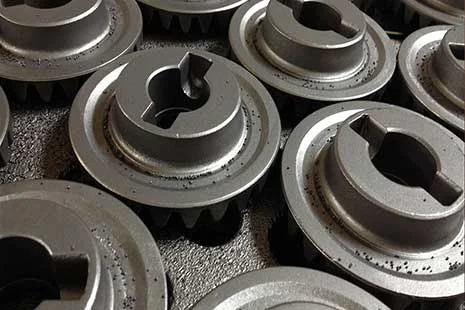
Identify casting material and geometry, adherent sand or residue, burrs, surface acceptance, batch flow, handling and downstream inspection. Match cleaning access and process intensity to the casting rather than assuming one configuration.
How Application Requirements Determine Equipment
Use this sequence to prepare an application requirement before comparing equipment:
- Workpiece: material, dimensions, weight, geometry and part variation.
- Surface condition: rust, scale, sand, residue, coating or contamination.
- Required finish: cleanliness, profile, coverage and inspection method.
- Production requirement: batch or continuous flow, throughput, loading and handling.
- Process inputs: abrasive, blast access, dust collection and utilities.
- Integration: upstream and downstream equipment, controls, layout and maintenance access.
Use representative workpieces and an agreed acceptance method to confirm the process and configuration before procurement.
Related Equipment
Review these current equipment destinations only after the application requirements are defined. Each page describes a specific equipment family; final configuration remains application-dependent.
Steel Pipe Inner & Outer Shot Blasting Cleaning Machines
Review equipment for blast cleaning the inner and outer surfaces of steel pipes.
Wire Rod Shot Blasting System
Review a shot blasting system for wire-rod surface preparation.
Anchor Chain Shot Blasting System
Review a shot blasting system for anchor-chain surface preparation.
Engineering Guidance
Use these reviewed resources to prepare requirements and evaluate process, abrasive and procurement questions. They remain independent guidance pages, not customer-project evidence.
Match a Shot Blasting Machine to Your Workload
Define parts, incoming condition, required surface, production flow, handling and site constraints.
Choose a Shot Blasting Machine for Steel Pipes
Separate internal and external treatment needs and record pipe geometry, handling and acceptance requirements.
Prepare to Buy Foundry Machinery
Review process requirements, utilities, layout, acceptance and included scope before comparing offers.
Select Abrasive Media for Shot Blasting
Compare media through the treatment objective, equipment compatibility, workpiece sensitivity and representative trials.
Explore the Resources Hub
Browse the curated buyer guides and engineering articles in the Resources Hub.
Discuss Your Application
Share the workpiece, current surface condition, required finish, production requirement, handling method and line-interface constraints so the application can be reviewed.
