
Shot blasting solutions provide efficient, cost-effective surface preparation by removing rust, scale, and contaminants while improving durability.Shot blasting is an essential surface preparation process used in a wide variety of industries.
What Is Shot Blasting?
Shot blasting is a mechanical process that uses high-speed streams of abrasive materials to clean, polish, or prepare surfaces. The process is carried out using a shot blasting machine that propels abrasive media—such as steel shots, grits, or other materials—at high velocity onto the surface.
The Purpose of Shot Blasting:
- Remove surface contaminants like rust, paint, or scale.
- Prepare surfaces for coatings, painting, or welding.
- Strengthen the material through a process called "peening."
This method ensures an even, clean surface that meets the quality standards required for further processing or finishing.

How Does Shot Blasting Work?
Shot blasting works by propelling abrasive materials using either centrifugal force or compressed air. Here’s a step-by-step overview of the process:
- Abrasive Loading: Abrasive materials are loaded into the machine’s chamber.
- Propulsion: The machine’s high-speed wheel or compressed air system accelerates the abrasives, launching them at the target surface.
- Impact: The abrasive hits the surface, stripping away rust, paint, and other contaminants.
- Recovery: Used abrasives and debris are collected, filtered, and often recycled for reuse.
This closed-loop system ensures efficient operation and minimizes waste.
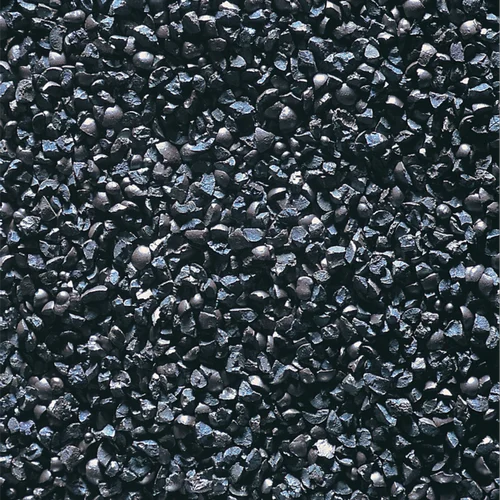
Types of Abrasive Media Used in Shot Blasting
The type of abrasive material used depends on the application and the desired surface finish. Common media include:
- Steel Shots: Spherical particles that provide a smooth, polished finish.
- Steel Grits: Angular particles for aggressive cleaning or etching.
- Glass Beads: Used for softer surfaces or delicate cleaning tasks.
- Aluminum Oxide: Ideal for hard surfaces requiring heavy-duty cleaning.
Each media type delivers specific results, ensuring the process is tailored to the application.

Applications of Shot Blasting
Shot blasting is widely used across industries to achieve consistent and high-quality results.
- Automotive: Prepares engine components, wheels, and chassis for assembly or coating.
- Construction: Cleans and roughens steel beams, concrete surfaces, and other structural materials.
- Aerospace: Enhances the durability of high-stress parts like turbine blades.
- Metalworking: Removes scale and imperfections from castings and forgings.
No matter the industry, shot blasting ensures surfaces are clean, durable, and ready for the next step.
Benefits of Shot Blasting
- Improved Surface Quality
Shot blasting ensures an even, uniform surface, free from rust, paint, or scale. This improves the adhesion of coatings and extends the lifespan of treated materials. - Increased Efficiency
Compared to manual methods, shot blasting is significantly faster and more consistent, reducing labor costs and improving turnaround times. - Cost-Effective
By recycling abrasive media and minimizing waste, shot blasting lowers operational costs while delivering superior results. - Eco-Friendly
Most shot blasting machines feature dust collection and abrasive recycling systems, making the process environmentally friendly. - Material Strengthening
The peening effect during shot blasting improves the material’s resistance to fatigue, cracks, and stress, enhancing its overall durability.

Different Types of Shot Blasting Machines
- Tumble Blasters
Designed for smaller parts that need to be cleaned in bulk, these machines rotate components during the blasting process. - Hanger Type Machines
Used for larger, heavier items, such as engine parts or structural steel, these machines allow components to hang freely while being blasted. - Table Blasters
Ideal for flat or large surfaces, such as gears or steel plates, these machines use rotating tables for consistent coverage. - Continuous Blasters
Used in automated production lines, these systems handle high volumes and provide consistent, efficient results.


Shot Blasting vs. Sandblasting
While often confused, shot blasting and sandblasting are distinct processes:
- Shot Blasting: Uses steel shots or grits for aggressive cleaning or strengthening. Ideal for heavy-duty industrial applications.
- Sandblasting: Uses sand or other fine abrasives for lighter cleaning or polishing. Better suited for delicate surfaces.
Shot blasting offers superior performance for large-scale, heavy-duty projects, making it the go-to choice for industries like automotive and construction.
Conclusion
Shot blasting is an indispensable process for industries that require efficient and high-quality surface preparation. From cleaning rust to enhancing material strength, shot blasting solutions ensure consistent, cost-effective results. By investing in the right equipment and abrasive media, you can improve the durability and performance of your materials while optimizing your production process.
If you’re ready to transform your surface preparation, consider shot blasting as the ultimate solution for your business needs.


