
The material used for shot blasting plays a pivotal role in determining the quality and efficiency of your surface preparation. Whether it’s steel shots for heavy-duty jobs or glass beads for delicate polishing, selecting the right abrasive for your application ensures smoother, faster, and more cost-effective results.
When it comes to shot blasting, selecting the right abrasive material can be the difference between efficiency and frustration. Are you spending too much time or money on the wrong material, only to find your results aren’t up to standard? The right choice can speed up your process, save costs, and deliver cleaner, more durable surfaces, while the wrong one could leave you dealing with costly delays or damaged parts.
Now, let’s explore the different shot blasting materials and see which one works best for your needs.
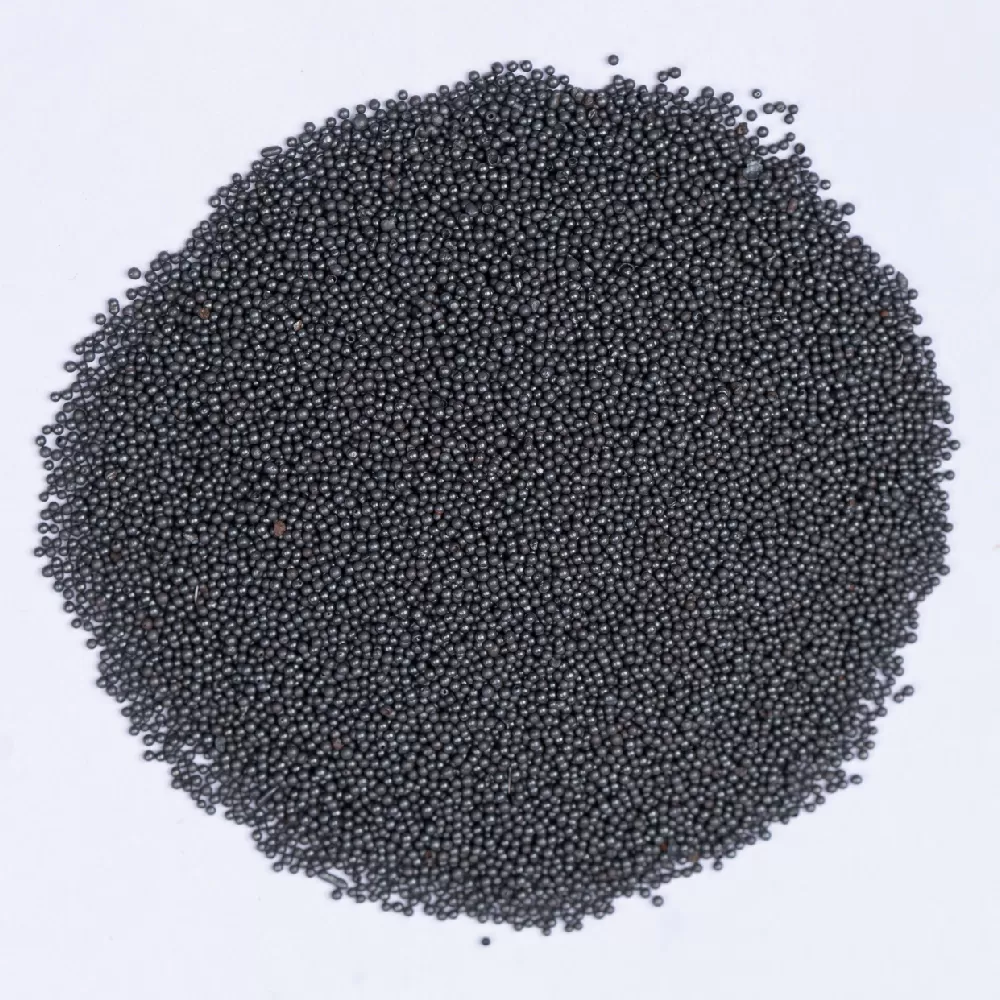
1. Steel Shots
Steel shots are one of the most commonly used abrasive materials in shot blasting. Their spherical shape makes them perfect for cleaning and preparing metal surfaces efficiently. But here’s the issue—if you’re cleaning heavy-duty parts like industrial machinery or automotive components, using anything less than steel shots can lead to poor cleaning results, requiring you to redo the job.
Why Choose Steel Shots?
- Durable and reusable, meaning fewer replacements, lowering long-term costs.
- Ideal for rust removal, scale cleaning, and general surface preparation.
- Works best for metal parts that require high efficiency.
If you’ve been struggling with parts that aren’t getting fully cleaned or require too many passes to finish, steel shots might be your solution. They’re reliable, cost-effective, and perfect for tough cleaning jobs.
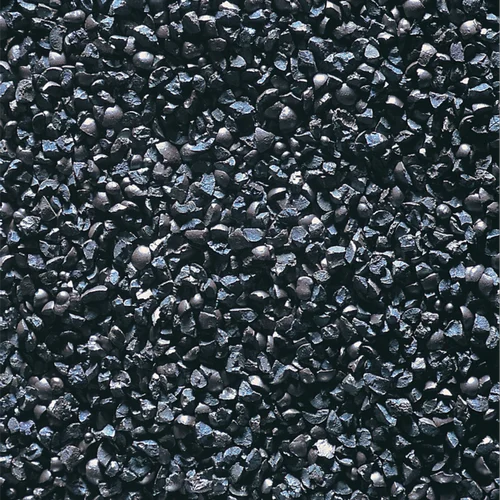
2. Steel Grit
If steel shots aren’t aggressive enough for your needs, steel grit can step up the game. This angular abrasive material provides a more intense cleaning power, helping you achieve a rougher surface profile. But here’s the problem: without proper equipment, steel grit can be harder to manage, and if not chosen carefully, it can cause unwanted surface damage.
Why Choose Steel Grit?
- More aggressive than steel shots, perfect for surface profiling.
- Helps prepare surfaces for coating or painting by providing a rough texture.
- Faster cleaning, ideal for industrial-scale jobs.
If you need to prepare a surface for better paint or coating adhesion, steel grit can get the job done faster and with more precision. But, be cautious—it requires the right setup to avoid excess abrasion or damage.

3. Aluminum Oxide
Aluminum oxide is a harder abrasive, making it an excellent choice for cleaning tough coatings or for precision work on non-ferrous materials like aluminum. But here's the pain point: aluminum oxide can be expensive and requires proper handling to avoid wear on your equipment and surfaces.
Why Choose Aluminum Oxide?
- Harder than steel, making it ideal for tough cleaning jobs.
- Best for removing coatings and corrosion from non-ferrous metals.
- Perfect for high-precision applications, such as aerospace or automotive components.
If your business works with delicate or high-precision parts, aluminum oxide could be the answer, ensuring that surfaces are thoroughly cleaned without causing damage. Just be prepared for its cost and handling requirements.
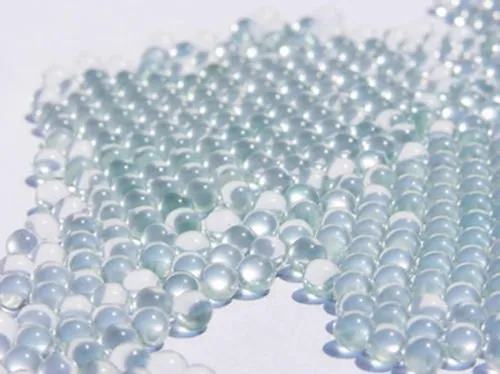
4. Glass Beads
Are you looking for a way to clean and polish delicate parts without causing any damage? Glass beads offer a gentle, yet effective cleaning process, ensuring that even sensitive components like automotive or aerospace parts are treated with care. But the challenge lies in their limited abrasiveness—if you're dealing with heavily rusted or corroded parts, glass beads might not cut through the grime effectively.
Why Choose Glass Beads?
- Gentle on surfaces, ideal for polishing and finishing.
- Creates a smooth, shiny finish on metals and plastics.
- Perfect for cleaning sensitive parts without damaging them.
If your parts require a shiny, smooth finish or delicate treatment, glass beads are a great solution. However, for heavy-duty rust removal, you might need a more aggressive material.

5. Crushed Garnet
Crushed garnet is a natural abrasive material that provides an excellent balance between cost and performance. It’s particularly effective for precision cleaning without excessive abrasion. But the downside? Garnet is not as reusable as steel abrasives, which means you’ll need to replace it more frequently, adding to your long-term operating costs.
Why Choose Crushed Garnet?
- Offers excellent precision cleaning without damaging the material.
- Environmentally friendly and can be reused in certain applications.
- Provides a smooth, even finish without excessive roughness.
If your job requires both effectiveness and an environmentally friendly option, crushed garnet can be a solid choice, offering consistent results while being safe for both your equipment and the environment.
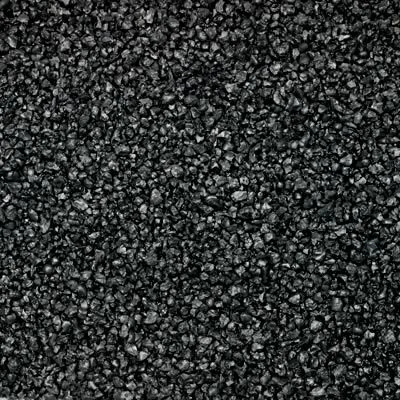
6. Copper Slag
Copper slag is a cost-effective abrasive often used for heavy-duty cleaning applications, such as removing rust and scale from large metal surfaces. However, while copper slag is aggressive, it can also create a lot of dust, which could be a serious problem if you’re working in a poorly ventilated environment or require a cleaner, safer workspace.
Why Choose Copper Slag?
- Aggressive and effective at removing rust, scale, and old coatings.
- Cost-effective compared to other abrasives.
- Suitable for industrial-scale cleaning and surface preparation.
If you’re working with large metal structures or need to clean concrete surfaces quickly, copper slag is a great option. Just be mindful of its dust and ensure you have the proper safety measures in place.

7. Plastic Media
Plastic media is gentle, making it ideal for cleaning delicate parts without causing damage. However, the downside is that it’s not as durable as harder abrasives, so it can wear out faster, leading to more frequent replacements.
Why Choose Plastic Media?
- Gentle on soft metals and delicate parts.
- Ideal for deburring and cleaning non-ferrous parts.
- Provides cleaning without damage to sensitive components.
For jobs where delicate, precise cleaning is required, plastic media is a great choice. Just be aware that it’s best suited for low-abrasion tasks, and you might need to replace it sooner than harder abrasives.
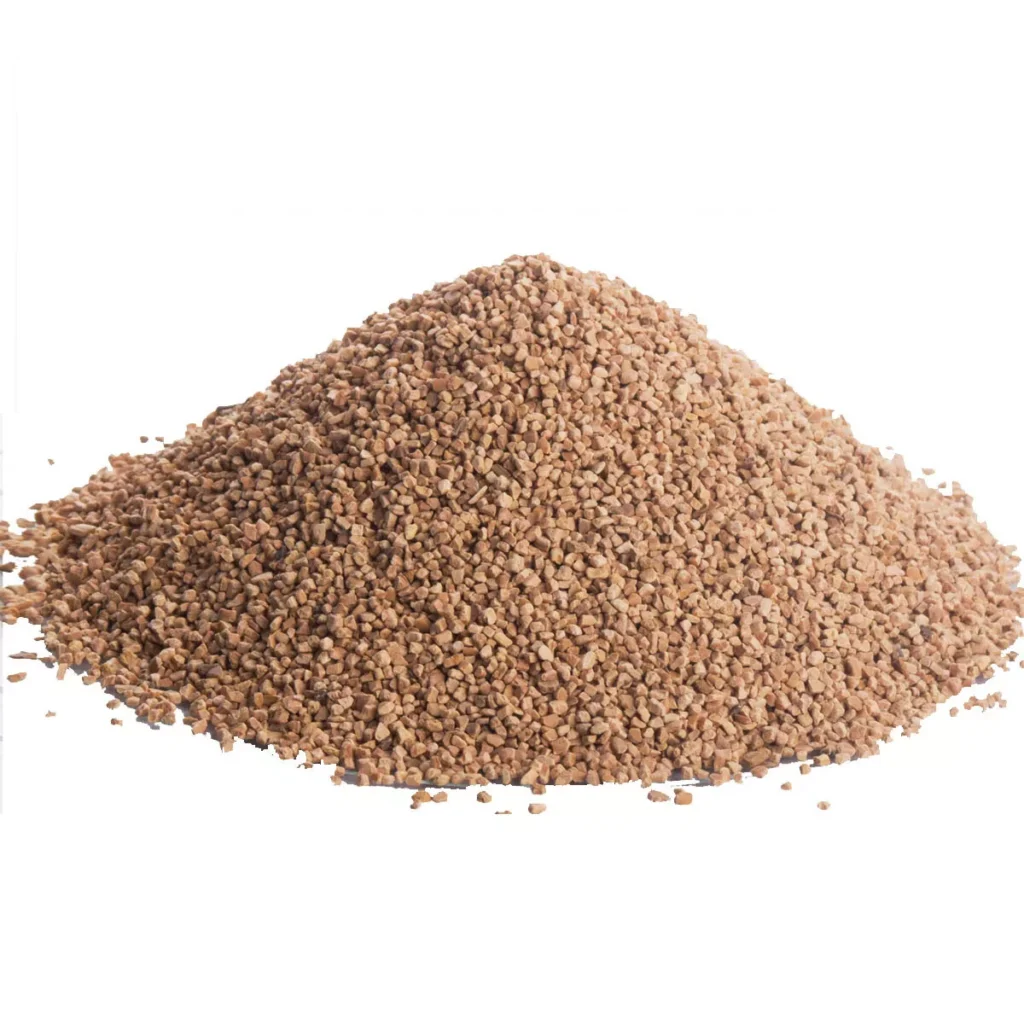
8. Walnut Shells
For eco-friendly blasting, walnut shells are biodegradable and effective for cleaning softer materials. They are gentle on surfaces, but this also means they might not be effective for more aggressive rust removal or surface preparation needs.
Why Choose Walnut Shells?
- Eco-friendly and biodegradable.
- Gentle and perfect for cleaning delicate components.
- Suitable for deburring and surface finishing.
If your goal is to clean parts with minimal damage and environmental impact, walnut shells are an excellent option, though they might not be the best for tougher cleaning tasks.

Conclusion
Choosing the right material for your shot blasting needs is crucial for maximizing efficiency and achieving quality results. Are you wasting time and resources on the wrong abrasive material? Whether you're cleaning heavy-duty machinery, polishing delicate parts, or preparing surfaces for coatings, understanding the specific advantages and limitations of each material—steel shots, glass beads, garnet, or walnut shells—helps you make the best decision. Select the right material, and you’ll not only save time and money, but also ensure consistent, high-quality results for your operations.


