
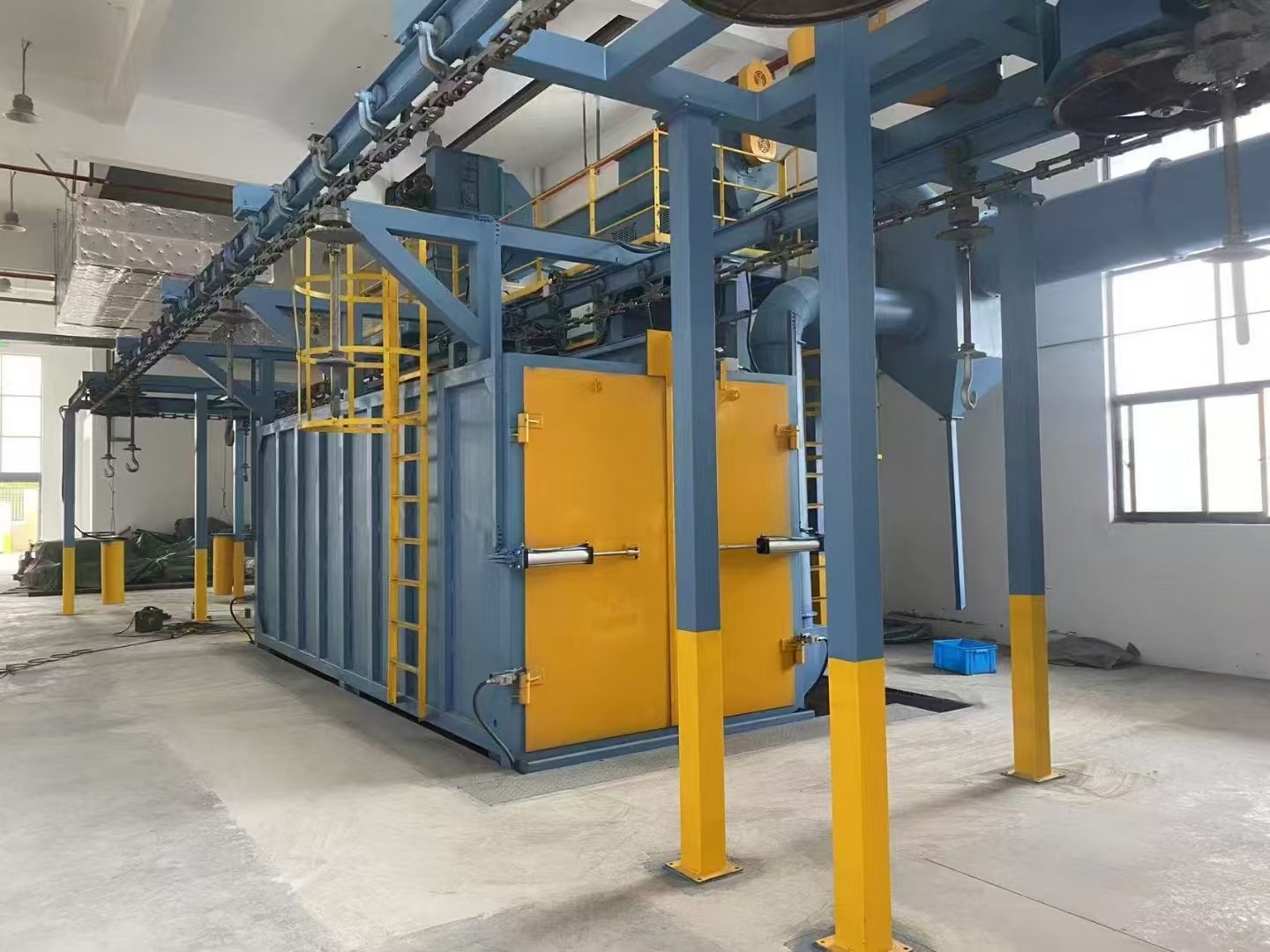
Shot Blasting and Grit Blasting are two popular surface treatment methods used for cleaning and strengthening workpieces. This article will explore the key differences, benefits, and typical applications of each method, helping you choose the right one for your needs.
Understanding the differences between Shot Blasting and Grit Blasting is crucial for making an informed decision on the best method for your specific surface treatment requirements. Both methods have their own strengths and weaknesses, and this article will guide you through the details.
What is Shot Blasting?

Shot Blasting is a method where a high-speed rotating wheel is used to propel steel shot or other abrasive media onto the surface of a workpiece. It is most commonly used for large-scale cleaning and surface preparation in industries such as automotive, shipbuilding, and aerospace.
Key Advantages of Shot Blasting:
- High Efficiency: Perfect for large-scale operations.
- Environmentally Friendly: Operates in a closed environment, minimizing dust pollution.
- Automated Operation: Reduces labor costs and risk by automating the process.
Shot Blasting is ideal when you need to clean large volumes of workpieces quickly and efficiently. It’s perfect for industries that require high-speed cleaning, such as automotive manufacturing or shipbuilding, where the focus is on productivity.
What is the Grit Blasting Process?

Grit Blasting, on the other hand, involves using compressed air to propel abrasives, typically sand or other materials, at high speeds onto the surface of a workpiece. This method allows for a more flexible, manual approach, and is suitable for more intricate or detailed surface cleaning.
Key Advantages of Grit Blasting:
- Highly Flexible: Works well on complex shapes and hard-to-reach areas.
- Precise Control: Operates manually or remotely, giving more control over the process.
- Improves Mechanical Strength: Ideal for improving wear resistance and corrosion resistance.
Grit Blasting is commonly used for applications requiring more precision, such as cleaning castings, weldments, or small, detailed metal parts. It's also great for handling surfaces that are irregular in shape or have intricate features that Shot Blasting may not effectively address.
What is the Specification of Grit Blasting?

Grit Blasting requires specific parameters to achieve optimal results. The choice of abrasive, air pressure, and nozzle size are all important considerations. The abrasives used in Grit Blasting can vary, but they must be selected based on the material type, desired finish, and the complexity of the surface.
Specifications for Grit Blasting include:
- Abrasive Material: Steel grit, aluminum oxide, or sand are commonly used.
- Air Pressure: Typically ranges from 60 to 120 PSI, depending on the material.
- Nozzle Size: Varies based on the type of workpiece and desired surface finish.
These specifications ensure that Grit Blasting can be adapted to meet the needs of both simple and complex surface treatment tasks.
Shot Blasting vs. Grit Blasting (Comparison)
To make it easier for you to decide between Shot Blasting and Grit Blasting, let’s compare the two methods side by side based on several important criteria:
| Feature | Shot Blasting | Grit Blasting |
|---|---|---|
| Working Principle | Uses a rotating wheel to project steel shot at high speed | Uses compressed air to project abrasives at high speed |
| Common Applications | Large-scale cleaning (automotive, shipbuilding) | Cleaning intricate or hard-to-reach areas (castings, weldments) |
| Ease of Operation | Automated, requires little manual intervention | Manual operation, highly flexible control |
| Efficiency | High efficiency, ideal for mass production | More precise but slower, suitable for small or complex parts |
| Cost | Lower cost for large-scale operations | Higher cost for detailed or specialized work |
| Advantages | Fast, cost-effective, minimal dust | Highly flexible, precise, suitable for complex shapes |
When to Choose Shot Blasting?

Shot Blasting is the ideal choice for industries that deal with large volumes of parts and require quick, efficient surface cleaning. Industries like automotive manufacturing, shipbuilding, and aerospace often rely on Shot Blasting to maintain production speed and efficiency.
Examples of when Shot Blasting is a good choice:
- Automotive Manufacturing: When cleaning large batches of metal parts quickly.
- Shipbuilding: For cleaning the surfaces of ships in a large-scale environment.
- Aerospace: For cleaning parts that don’t require intricate detailing but need a clean and rough surface for coating.
When to Choose Grit Blasting?
Grit Blasting, with its high level of flexibility, is best suited for situations where precision is key, and the workpieces are smaller or have more detailed features. It’s also ideal for cleaning hard-to-reach areas or delicate components.
Examples of when Grit Blasting is the right choice:
- Castings and Weldments: For detailed cleaning where a smooth, precise finish is necessary.
- Intricate Metal Parts: Where you need to clean complex shapes or hard-to-reach areas that Shot Blasting can’t address efficiently.
- Precision Engineering: For improving the mechanical properties of smaller, detailed parts.
Conclusion: How to Choose the Right Surface Treatment Method?
In summary, Shot Blasting is the go-to method for large-scale operations that need fast and efficient cleaning of numerous parts, whereas Grit Blasting excels in situations requiring flexibility, precision, and the ability to work on smaller or more complex workpieces.
Choosing the right method depends on the scale of your operation, the type of workpieces you’re cleaning, and the level of precision you require. By understanding the differences and applications of both Shot Blasting and Grit Blasting, you can make an informed decision that aligns with your specific needs.
Frequently Asked Questions (FAQ)
What is the main difference between Shot Blasting and Grit Blasting?
The primary difference is in the method of propulsion: Shot Blasting uses a rotating wheel to project steel shot at high speed, while Grit Blasting uses compressed air to project abrasives.
When should I use Grit Blasting over Shot Blasting?
Choose Grit Blasting when dealing with smaller parts, intricate shapes, or hard-to-reach areas that require more manual control and precision.
What industries use Shot Blasting and Grit Blasting?
Shot Blasting is commonly used in large-scale industries like automotive manufacturing, shipbuilding, and aerospace. Grit Blasting is used for more specialized applications in industries like precision engineering, casting, and welding.


