
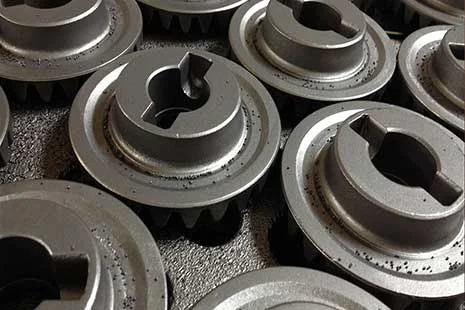
Still struggling to clean rusted steel, stubborn paint, or aged concrete with slow, messy methods?
Shot blasting uses centrifugal force to propel abrasive media at high velocity, effectively cleaning metal, concrete, and other surfaces without chemicals or excess dust.
It’s one of the most efficient, environmentally responsible, and durable surface preparation techniques available today—ideal for industrial use and large-area coverage.
What Is Shot Blasting for Surface Cleaning?
Sandblasting too slow? Power washing not cutting it?
Shot blasting is a mechanical surface cleaning process that uses a rapidly spinning wheel to throw abrasive pellets (steel, aluminum, etc.) at a surface to clean, prepare, or profile it.
It’s commonly used in industries like:
- Metal fabrication
- Concrete surface preparation
- Shipbuilding
- Automotive
- Pipeline and heavy equipment maintenance
This process removes rust, old coatings, mill scale, or contaminants while creating a roughened surface profile that promotes coating adhesion.
How Shot Blasting Works for Surface Cleaning
Chemical-free, dust-controlled, energy-efficient—shot blasting checks all the boxes.
Shot blasting relies on kinetic energy and centrifugal force. Abrasive media is hurled by a rotating wheel at high speed, impacting the surface with uniform pressure to clean and texture it.
The Shot Blasting Process Explained
Here’s what happens in sequence:
- Media enters the wheel unit
- Centrifugal force accelerates the pellets to 65–80 m/s
- A controlled blast pattern strikes the surface
- Rebounding media is collected, cleaned, and reused
This controlled force results in consistent finishes, faster throughput, and minimal operator fatigue—especially when compared to compressed-air systems like sandblasting.
Key Components of a Shot Blasting Machine
| Component | Function |
|---|---|
| Centrifugal Wheel | Accelerates media using motor power |
| Blast Chamber | Contains and directs abrasive stream |
| Abrasive Recycling System | Cleans and reuses media for efficiency |
| Dust Collector | Captures fine particles and maintains air quality |
These elements work together to ensure shot blasting is safe, consistent, and environmentally friendly.
Shot Blasting vs. Sandblasting for Surface Cleaning

Confused about which blasting method to choose?
Shot blasting and sandblasting are both abrasive techniques, but differ in mechanism, efficiency, and application.
Core Differences Between Shot Blasting and Sandblasting
| Feature | Shot Blasting | Sandblasting |
|---|---|---|
| Propulsion | Centrifugal wheel | Compressed air |
| Best for | Large, flat surfaces | Detailed or small parts |
| Dust Generation | Lower | Higher |
| Media Recycling | Yes | Rarely |
| Power Needs | Lower | Higher (for compressors) |
| Finish Control | High consistency | High flexibility |
Shot blasting is designed for speed and surface consistency, while sandblasting provides more directional control for delicate work.
When to Choose Shot Blasting Over Sandblasting
- Large surface areas like steel decks, concrete floors, or pipes
- Aggressive coating removal
- High-volume operations
- Eco-conscious facilities needing low dust and no chemicals
Sandblasting, on the other hand, is ideal for artistic finishes, tight corners, or soft materials like wood or plastic.
Types of Abrasive Materials Used in Shot Blasting
Right machine, wrong media? That’s a recipe for rework.
Shot blasting abrasives range from aggressive steel grit to soft organic media, allowing for a wide range of finishes and material compatibility.
Common Shot Blasting Media
| Media | Description | Use Case |
|---|---|---|
| Steel Shot | Spherical, reusable | Peening, smooth cleaning |
| Steel Grit | Angular, aggressive | Paint/rust removal, profiling |
| Aluminum Shot | Lightweight, soft | Non-ferrous components |
| Copper Shot | Non-sparking | Explosive environments |
Alternative Abrasives for Specialized Surface Cleaning
| Media | Best For | Notes |
|---|---|---|
| Glass Beads | Cosmetic finishes | Smooth, satin finish |
| Coal Slag | Paint stripping | Single-use, dusty |
| Plastic Media | Aircraft & electronics | Non-destructive |
| Walnut Shells | Soft substrates | Biodegradable, low impact |
Choosing the right media depends on the substrate, finish goal, and application environment.
Benefits of Shot Blasting for Surface Cleaning

Why do factories, shipyards, and fabrication shops prefer shot blasting?
Shot blasting offers powerful surface preparation with minimal cleanup, long equipment life, and better environmental performance.
Key Benefits:
- Thorough surface cleaning: Removes rust, scale, coatings
- Eco-friendly: No chemicals, low dust emission
- High productivity: Large areas cleaned quickly
- Cost-efficient: Media recycling reduces expenses
- Operator safety: Enclosed systems reduce exposure risks
Compared to other surface prep techniques, it’s cleaner, faster, and more cost-effective—especially at scale.
Applications of Shot Blasting in Surface Cleaning
Still wondering if shot blasting fits your business?
From concrete floors to aerospace parts, shot blasting adapts to a wide range of industrial needs.
Industrial Use Cases
- Paint and rust removal on steel beams or machinery
- Concrete floor preparation before coating or sealing
- Pipeline cleaning in oil and gas infrastructure
- Tool and mold restoration in manufacturing plants
Specialized Industry Examples
| Industry | Shot Blasting Use |
|---|---|
| Automotive | Engine blocks, wheels, and chassis cleaning |
| Aerospace | Landing gear refurbishment, turbine components |
| Shipbuilding | Large steel plates, hulls, deck treatment |
| Foundries | Removing sand, oxide layers, and scale from castings |
In each of these, shot blasting improves productivity, surface consistency, and safety.
Is Shot Blasting Right for Your Surface Cleaning Needs?

Not every surface needs a shot of steel.
Use this checklist to decide if shot blasting is your ideal surface prep method:
Checklist:
- ✅ Is your surface made of metal, concrete, or a hard composite?
- ✅ Do you need to remove rust, scale, or thick coatings?
- ✅ Is consistent finish quality important?
- ✅ Do you want to avoid chemicals and airborne dust?
- ✅ Are you processing large or flat surface areas?
When to Consider Other Techniques
| Need | Recommended Method |
|---|---|
| High-detail precision | Sandblasting or wet blasting |
| Wood or soft plastic | Air abrasion or sponge media |
| Artistic etching | Manual sandblasting |
If your part is fragile or your design requires hand control, sandblasting may still be your best bet.
Conclusion: Why Shot Blasting Is a Top Choice for Surface Cleaning
Shot blasting delivers fast, chemical-free, and cost-effective cleaning for metal and concrete surfaces. It’s the go-to method when you need reliability, efficiency, and environmental safety across industrial applications.
If you’re cleaning large surfaces and need performance without compromise, shot blasting is your solution.


