
Rust, paint, corrosion, or scale slowing you down? Don’t let poor surface prep kill your productivity.
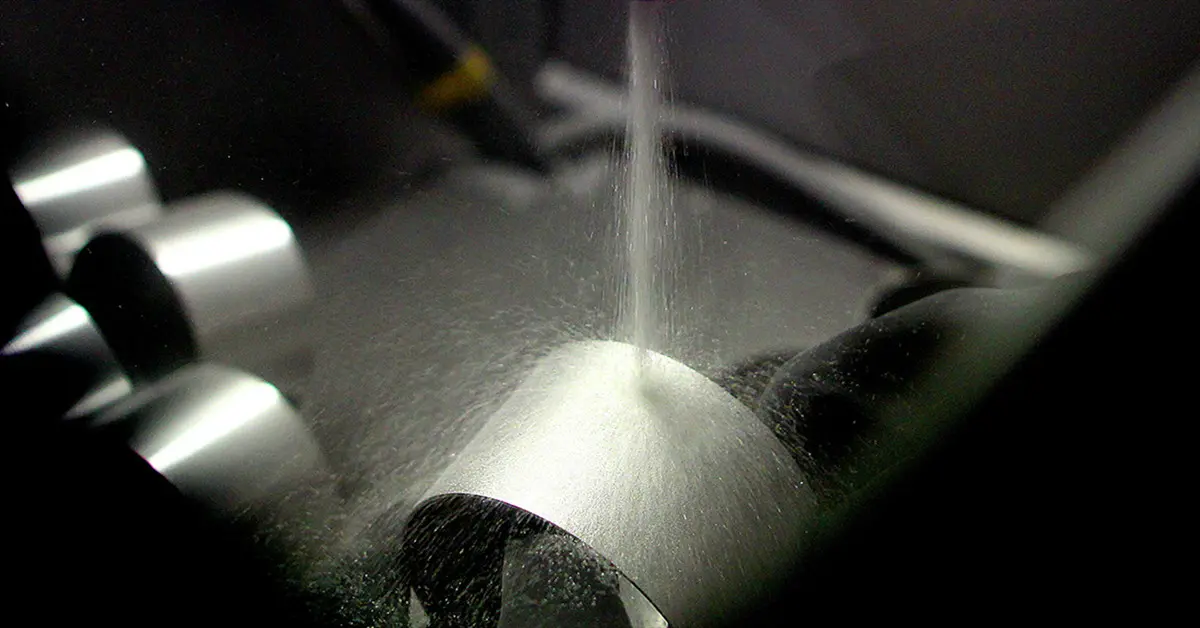
A sandblasting machine uses compressed air to propel abrasive media at high velocity, effectively cleaning or roughening surfaces for coating, polishing, or restoration.
It’s a dry, chemical-free surface preparation method used across industries—from automotive and aerospace to construction and heavy manufacturing.
What Is a Sandblasting Machine and Why It’s Used?
A sandblasting machine is an abrasive blasting system designed to remove contaminants, paint, rust, or coatings from surfaces through high-speed abrasive impact.
Typical applications include:
- Removing rust, paint, mill scale, and corrosion
- Cleaning metal, glass, stone, and plastics
- Roughening surfaces to improve coating adhesion
- Polishing or etching decorative finishes
Sandblasting is ideal for both restoration and industrial preparation tasks.
How a Sandblasting Machine Works: Core Process Overview
The process involves compressed air forcing abrasive material through a nozzle, striking the surface with sufficient force to clean or texture it.
Core principles:
- Compressed air provides propulsion
- Abrasive media impacts and removes surface layers
- Surface becomes clean, profiled, or polished
Compared with other abrasive methods:
| Blasting Method | Propulsion Type | Best Use Case |
|---|---|---|
| Sandblasting | Compressed air | Precision, detailed work |
| Shot Blasting | Centrifugal wheel | Large, heavy-duty cleaning |
| Wet Blasting | Water + abrasive | Dust control, delicate materials |
Step-by-Step Process of Operating a Sandblasting Machine

Follow these steps to ensure optimal and safe performance:
- Load the abrasive media: Choose aluminum oxide, glass beads, or silicon carbide depending on your application and surface hardness.
- Start the compressor: Set appropriate pressure (typically 90–120 PSI) and airflow (20–100+ CFM depending on nozzle size).
- Control the nozzle: Maintain 6–12 inches distance from the surface, hold at a 45°–90° angle, and move smoothly for consistent results.
- Inspect the surface: After blasting, clean off any residual media and visually inspect for cleanliness and surface profile.
Key Components of a Sandblasting Machine
Each component plays a crucial role in performance and safety:
- Compressor: Supplies the high-pressure air that propels the abrasive.
- Blast Pot: Pressurized container that holds and dispenses the abrasive media.
- Nozzle and Hose System: Directs the high-velocity media to the surface.
- Dust Collector: Filters airborne particles to maintain safe air quality and visibility.
Types of Sandblasting Machines and Their Process Variations
Choose the right machine type based on your job size, surface material, and desired finish:
- Pressure Sandblasters: High-speed media delivery, best for heavy-duty cleaning and large surfaces.
- Siphon Sandblasters: Media is pulled by air suction, slower but cost-effective for light-duty applications.
- Gravity-Fed Sandblasters: Media flows by gravity into the air stream, portable and simple for small repair tasks.
Safety Guidelines When Operating a Sandblasting Machine

Safety must never be overlooked when working with high-speed abrasives:
- Wear full PPE: blast helmet, respirator, gloves, protective suit, and hearing protection.
- Ensure proper ventilation to prevent dust buildup.
- Ground all equipment to prevent static discharge.
- Depressurize the system before opening the blast pot.
- Regularly inspect hoses, nozzles, and seals for wear or damage.
Common Mistakes to Avoid with a Sandblasting Machine
Avoid these frequent errors to maintain safety and efficiency:
- Incorrect pressure settings: Can cause damage or ineffective blasting.
- Wrong abrasive choice: May scratch, warp, or under-clean the surface.
- Skipping maintenance: Leads to inconsistent flow and equipment failure.
- Improper nozzle distance: Causes uneven finishes and material waste.
- Lack of PPE: Results in serious health and safety hazards.
Conclusion: Mastering the Sandblasting Machine Process
A sandblasting machine is a powerful, efficient, and versatile surface treatment tool—but only when used correctly.
Key takeaways:
- ✅ Load and use the correct abrasive media
- ✅ Set proper PSI and CFM for the task
- ✅ Control the nozzle with precision
- ✅ Maintain your equipment regularly
- ✅ Follow safety protocols at all times
Mastering the sandblasting process means higher productivity, better surface quality, and longer machine life.


