
Shot blasting and metallizing are essential processes in surface preparation and coating, improving the durability and appearance of materials. Understanding their differences and applications can significantly enhance your manufacturing process.
Shot blasting is a mechanical process used to clean, strengthen, or polish metal surfaces by bombarding them with small abrasive particles. Metallizing, on the other hand, involves applying a metallic coating to a surface to improve its corrosion resistance. Both processes are crucial in industries like aerospace, automotive, and construction, providing long-lasting solutions for surface protection and enhancement.
Now that we have an overview of these processes, let’s dive deeper into their individual functions and benefits.
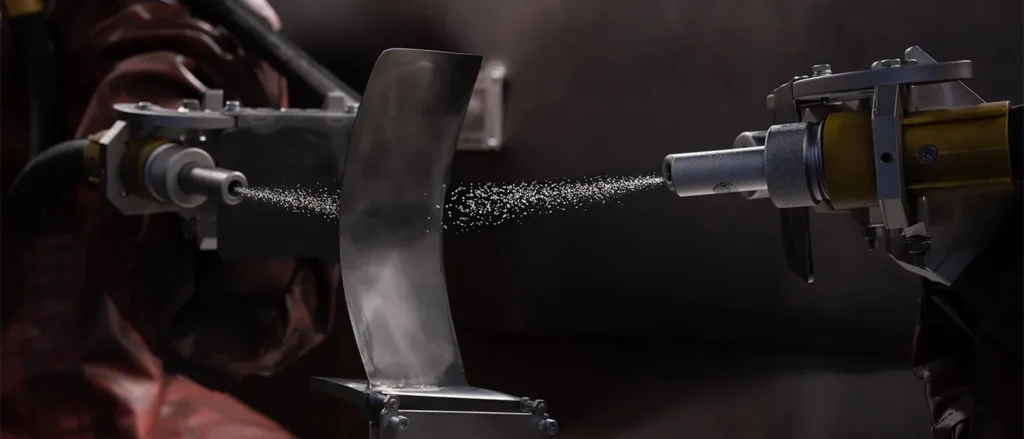
Shot Blasting: What Is It?
Shot blasting is a process used to clean or prepare surfaces by propelling abrasive materials, like steel shot or grit, at high velocity. The force of the abrasive particles removes dirt, rust, scale, and other contaminants from metal or concrete surfaces. This technique is commonly used in the automotive, aerospace, and construction industries.
- Common Applications: Shot blasting is widely used for cleaning metal parts before welding or coating. It’s also essential for preparing concrete surfaces before painting or sealing.
- Advantages: One of the key benefits of shot blasting is that it enhances the surface finish by providing a uniform texture. Additionally, it improves the material’s adhesion capacity, making it ideal for subsequent coatings or treatments.
- Types of Shot Blasting: There are several methods of shot blasting, including tumble blasting, wheel blasting, and air blasting. The method chosen depends on the shape and size of the material being treated.
Metallizing: A Key to Durable Coatings
Metallizing refers to the process of applying a metallic coating onto a surface to enhance its properties, such as corrosion resistance, wear resistance, and heat resistance. This is done by spraying molten metal onto the substrate, which solidifies to form a protective layer.
- Common Materials Used: Zinc, aluminum, and copper are frequently used in metallizing. Each offers specific benefits, such as aluminum for corrosion resistance or copper for electrical conductivity.
- How It Works: Metallizing is often achieved through flame spraying or arc spraying. In flame spraying, a metal wire is heated to a molten state and then projected onto the surface, while arc spraying involves using electrical arcs to melt the metal.
- Applications: Industries like automotive, aviation, and marine frequently utilize metallizing for coating parts exposed to harsh environmental conditions. This coating can extend the lifespan of components exposed to chemicals or extreme temperatures.

How Do Shot Blasting and Metallizing Complement Each Other?
Though shot blasting and metallizing are different processes, they often work together to improve the overall durability and appearance of a product. Shot blasting is typically used first to prepare the surface, creating a rough texture that ensures better adhesion for the metallizing process.
- Surface Preparation: Shot blasting ensures the surface is free of contaminants and has the necessary roughness to bond well with the metallized coating.
- Corrosion Protection: While shot blasting helps clean and prepare, metallizing provides the long-term protection from corrosion and wear, making the treated materials more durable.

Why Should You Choose Shot Blasting and Metallizing for Your Manufacturing Needs?
Shot blasting and metallizing provide significant advantages in improving the performance of various materials. If you're looking to enhance the longevity of your parts, reduce maintenance costs, and improve their aesthetic qualities, these processes should be an integral part of your manufacturing strategy.
- Cost-Effective: The combination of shot blasting and metallizing helps prevent costly repairs or replacements by extending the life of materials.
- Versatility: These processes are applicable across many industries, including automotive, construction, and aerospace, offering flexible solutions for a wide range of materials.
- Environmental Impact: Shot blasting and metallizing can also be more environmentally friendly compared to other surface treatment methods. By using less harmful chemicals and minimizing waste, these methods contribute to sustainable manufacturing practices.
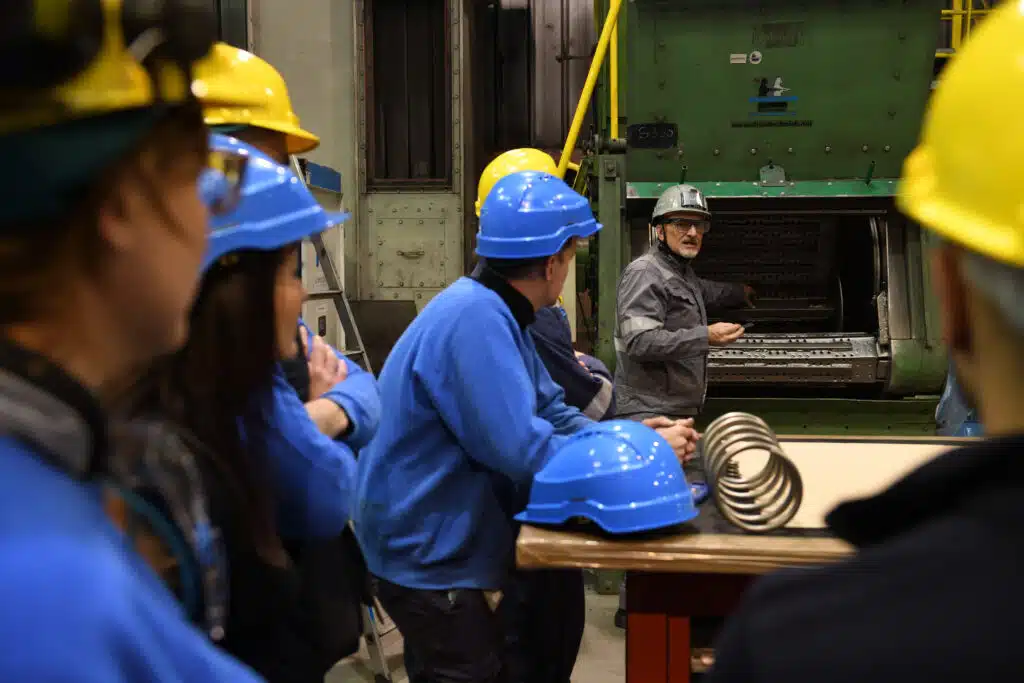
Conclusion: The Role of Shot Blasting and Metallizing in Surface Engineering
Both shot blasting and metallizing are crucial for surface engineering, offering high-quality results that enhance durability, appearance, and functionality. By integrating these processes into your production line, you can ensure superior performance and longevity for your products, which translates into reduced costs and improved efficiency.


