

Metal recycling is crucial for reducing environmental impact, but many overlook the role of surface treatment. Rust, contaminants, and coatings can prevent effective reuse, increasing waste.
Shot blasting plays a key role in metal recycling by removing impurities, ensuring high-quality reuse, and reducing the need for virgin metal production. This process enhances environmental sustainability while improving operational efficiency.
Without proper cleaning, recycled metals can compromise product quality. Let’s explore how shot blasting optimizes metal recycling, enhances sustainability, and meets industry regulations.
Why Is Shot Blasting Essential for Metal Recycling?
Metal recycling faces significant challenges—corrosion, coatings, and impurities make it difficult to achieve high-quality results. If these issues aren’t addressed, recycled materials may be weak, impure, or unfit for industrial use.
Shot blasting is a critical step in metal recycling, as it efficiently removes rust, scale, and old coatings, ensuring that the metal is clean and ready for reuse. This improves metal quality, reduces energy-intensive refining, and lowers overall costs.

How Shot Blasting Works in Recycling
Shot blasting uses high-speed abrasive particles to clean metal surfaces. The process can be automated for high-volume recycling or adapted for specific metal types. It removes contaminants efficiently, reducing waste and increasing metal purity.
Key benefits of shot blasting in recycling:
| Benefit | Impact |
|---|---|
| Removes rust and contaminants | Ensures high-quality recycled metal |
| Reduces need for chemicals | Minimizes environmental pollution |
| Enhances metal bonding for reuse | Improves strength and durability |
| Reduces energy-intensive processing | Cuts down carbon footprint |
By integrating shot blasting into metal recycling, industries ensure that reused materials meet industry standards, reducing reliance on newly mined metals.
How Does Shot Blasting Reduce Environmental Impact?
Recycling metals already reduces the demand for raw material extraction, but ineffective cleaning processes can create unnecessary waste and emissions.
Shot blasting significantly reduces environmental impact by minimizing chemical usage, lowering energy consumption, and preventing excess metal waste.

Energy and Resource Conservation
Shot blasting uses recyclable abrasives like steel grit, eliminating the need for harsh chemicals. It also reduces the need for energy-intensive processes like chemical stripping or acid pickling.
Comparing metal cleaning methods:
| Cleaning Method | Environmental Impact | Efficiency |
|---|---|---|
| Chemical stripping | High waste, hazardous byproducts | Moderate |
| Acid pickling | Corrosive waste, high water usage | High |
| Shot blasting | Reusable abrasives, low waste | Very High |
By choosing shot blasting, industries reduce hazardous waste disposal and decrease overall carbon footprint.
What Industries Benefit Most from Shot Blasting in Recycling?
Many industries rely on high-quality recycled metals, but not all metal cleaning methods are sustainable or effective.
Industries that benefit most from shot blasting include automotive, construction, aerospace, and heavy machinery manufacturing.
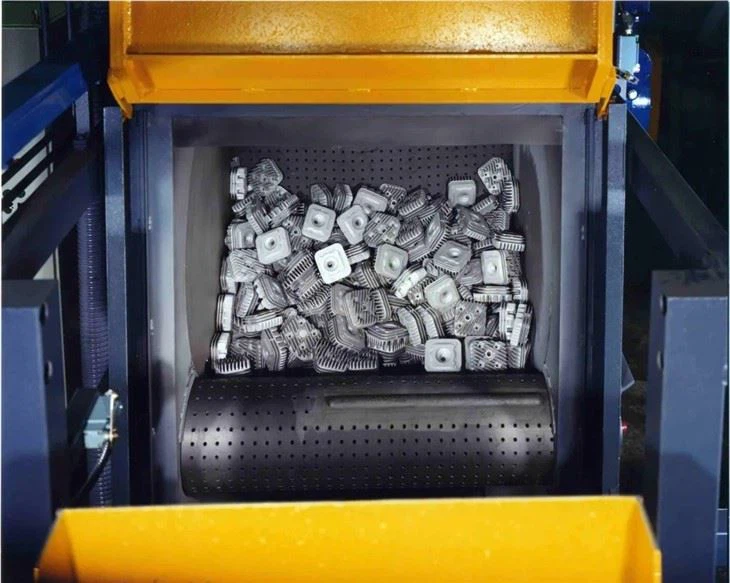
Industry Applications
- Automotive: Shot blasting prepares recycled steel and aluminum for new car components.
- Construction: Used in cleaning steel beams, pipes, and structural elements for reuse.
- Aerospace: Ensures that recycled metals meet strict quality standards for aircraft parts.
- Heavy Machinery: Cleans and strengthens metal components for durability.
Shot blasting ensures these industries can confidently use recycled materials without compromising performance.
My Perspective on Shot Blasting and Sustainability
I’ve seen firsthand how industries struggle with metal recycling inefficiencies. Companies often rely on outdated cleaning methods that waste energy, increase costs, and generate pollution.
Shot blasting is a game-changer. It not only improves recycling efficiency but also helps companies meet environmental regulations while reducing costs.
Many manufacturers hesitate to invest in advanced shot blasting systems, but the long-term benefits far outweigh initial costs. Cleaner metals lead to higher-quality products, less waste, and better sustainability compliance.
Conclusion
Shot blasting is an essential process in metal recycling, ensuring high-quality reuse, reducing environmental impact, and cutting costs. By removing impurities effectively, it minimizes waste and enhances sustainability. Industries that integrate shot blasting into their recycling processes benefit from cleaner materials, improved efficiency, and compliance with eco-friendly regulations.


