

Abrasive blasting is an essential process in surface treatment, helping industries prepare surfaces for coatings, remove rust, and achieve the desired finish. Among the various blasting methods, shot blasting and sand blasting are two of the most commonly used techniques.
Shot blasting and sand blasting serve different purposes, and selecting the right method depends on factors such as material type, surface finish requirements, and environmental considerations. This article compares both processes to help you choose the best surface treatment technology for your needs.
Understanding the differences between these techniques will help industries optimize efficiency and cost-effectiveness.
What is Sand Blasting?
Sand blasting is a process that uses compressed air to propel abrasive particles onto a surface to clean, smooth, or prepare it for coatings.
Common abrasive media used in sand blasting include:
- Aluminum Oxide: Used for tough cleaning and etching applications.
- Glass Beads: Provide a smooth, satin finish.
- Walnut Shells: Used for delicate surfaces to avoid material damage.
- Silica Sand: Historically used but now less common due to health risks.
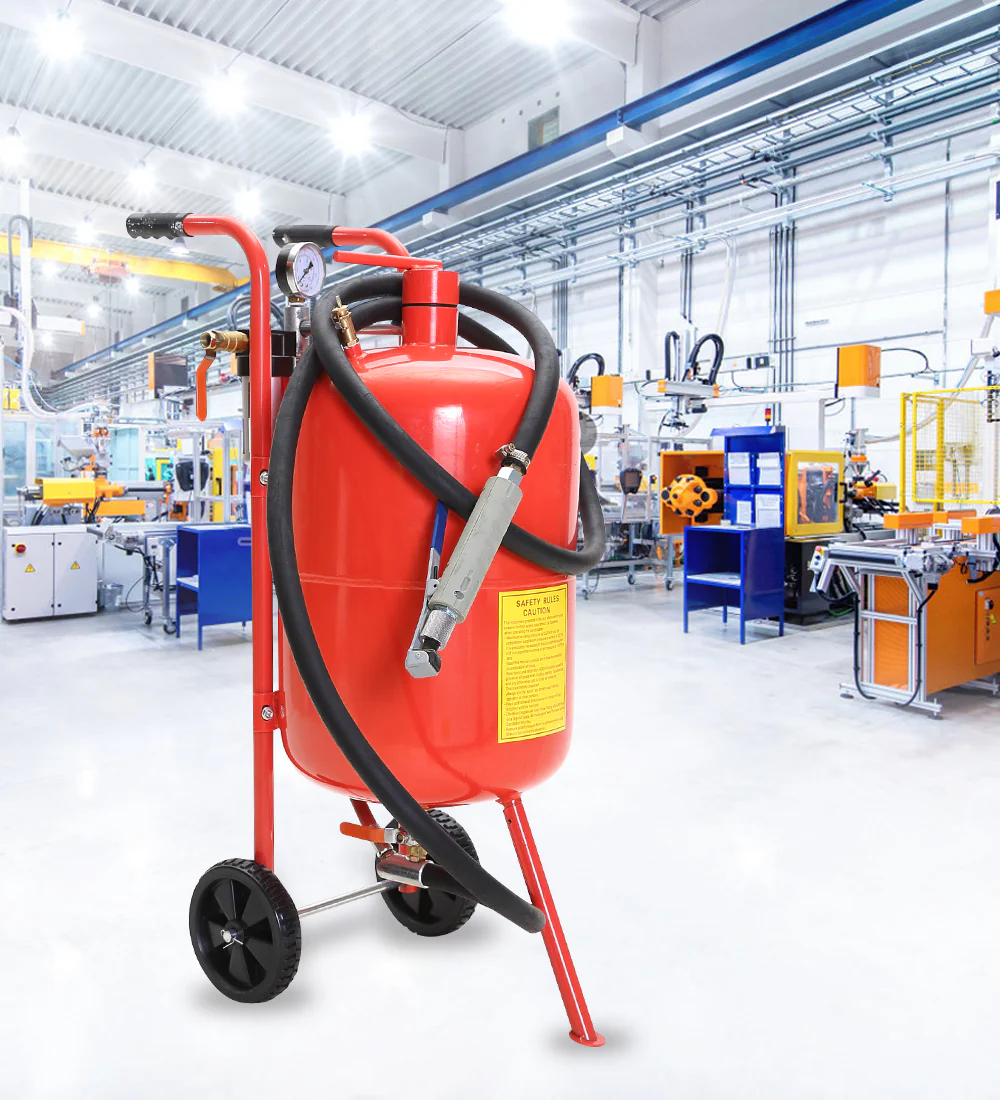
Applications of Sand Blasting
Sand blasting is widely used for:
- Removing paint and rust from metal surfaces.
- Cleaning delicate materials like wood and fiberglass.
- Etching glass for decorative purposes.
- Surface preparation for automotive and aerospace components.
Advantages and Disadvantages of Sand Blasting
| Advantages | Disadvantages |
|---|---|
| Suitable for delicate materials | High dust production |
| Wide range of abrasive media options | Can cause surface contamination |
| Effective for surface cleaning and preparation | Requires protective equipment for operators |
| Lower equipment costs | Banned in some regions due to health concerns |
What is Shot Blasting?
Shot blasting is a mechanical process that uses a centrifugal wheel to propel metallic abrasives at high speed onto a surface for cleaning and preparation.
Types of metallic abrasives used in shot blasting:
- Steel Grit: Angular in shape, used for aggressive cleaning.
- Steel Shots: Round in shape, used for peening and smoothing.
- Cast Iron Grit: Ideal for removing heavy rust and scale.

Applications of Shot Blasting
Shot blasting is commonly used in:
- Heavy-duty industrial cleaning and surface preparation.
- Steel and metal fabrication industries.
- Removing scale from castings and forgings.
- Strengthening metal parts through peening.
Advantages and Disadvantages of Shot Blasting
| Advantages | Disadvantages |
|---|---|
| Produces a uniform, high-quality finish | Higher initial investment cost |
| Environmentally friendly (low dust production) | Requires a controlled work environment |
| Efficient for large-scale operations | Limited suitability for delicate materials |
| Increases metal durability through peening | Requires specialized equipment |
Key Differences Between Sand Blasting and Shot Blasting
Both processes serve similar purposes but differ in method, media, and application. The table below outlines their key differences:
| Feature | Sand Blasting | Shot Blasting |
|---|---|---|
| Abrasive Media | Sand, glass beads, aluminum oxide | Steel shots, steel grit, cast iron |
| Application | Light cleaning, delicate materials | Heavy-duty cleaning, metal parts |
| Surface Finish | Smooth, satin-like | Rough or polished, depending on media |
| Cost | Lower upfront cost | Higher initial investment |
| Environmental Impact | High dust production, health concerns | Lower dust, eco-friendly |
| Best for | Wood, glass, light metals | Steel, cast iron, large metal surfaces |
Types of Abrasive Media Used in Each Process
 | Process | Common Abrasive Media |
|---|---|---|
| Sand Blasting | Aluminum oxide, glass beads, walnut shells, silica sand | |
| Shot Blasting | Steel grit, steel shots, cast iron grit |
Selecting the right abrasive media plays a crucial role in achieving the desired surface finish and ensuring efficiency in the process.
Applications of Sand Blasting vs. Shot Blasting
1. Automotive Industry
- Sand blasting is used for stripping paint and cleaning delicate parts.
- Shot blasting is used for cleaning engine components and strengthening metal parts.
2. Aerospace Industry
- Sand blasting is applied for precision cleaning of aircraft parts.
- Shot blasting is used to remove scale from large turbine components.
3. Restoration and Cleaning
- Sand blasting is suitable for restoring historical buildings and wooden structures.
- Shot blasting is used for refurbishing metal bridges and infrastructure.
4. Industrial Surface Preparation
- Sand blasting is common for light-duty surface cleaning.
- Shot blasting is preferred for preparing steel structures for coatings.
Pros and Cons of Each Method

Pros and Cons of Sand Blasting
✔️ Ideal for delicate surfaces
✔️ Flexible media choices
❌ High dust levels
❌ Health risks associated with silica exposure
Pros and Cons of Shot Blasting
✔️ More aggressive and efficient
✔️ Reduces environmental impact
❌ Expensive initial investment
❌ Limited use on delicate materials
How to Choose the Right Method?

Choosing between sand blasting and shot blasting depends on several factors:
| Factor | Best Option |
|---|---|
| Material Type | Sand blasting for delicate materials, shot blasting for metals |
| Surface Finish | Sand blasting for smooth finishes, shot blasting for rough or polished finishes |
| Cost | Sand blasting is lower-cost, shot blasting requires higher initial investment |
| Environmental Impact | Shot blasting is more eco-friendly due to low dust levels |
When to Use Sand Blasting?
- When working with wood, plastic, or glass.
- When a smooth finish is required.
- When operating on a lower budget.
When to Use Shot Blasting?
- When preparing large metal surfaces.
- When durability and strength are a priority.
- When working in industries requiring precision surface preparation.
Conclusion

Both sand blasting and shot blasting offer unique advantages depending on the application. Sand blasting is best suited for delicate materials and surface cleaning, while shot blasting is ideal for heavy-duty industrial cleaning and metal strengthening.
For optimal surface treatment, consider factors such as material type, surface finish requirements, and cost. Consulting with industry experts can help you choose the best solution for your specific needs.


