
To safely operate a rotary table shot blasting machine, ensure proper training, use of personal protective equipment (PPE), routine maintenance, and effective dust control. Secure loading and unloading procedures, alongside accessible emergency stop systems, further enhance safety. These measures minimize risks, protect workers, and ensure reliable machine performance, creating a safe and efficient work environment.
Understanding and implementing these safety practices ensures a secure and efficient working environment for both operators and equipment.

The Importance of Safety in Rotary Table Shot Blasting Machines
Rotary table shot blasting machines are essential for cleaning, polishing, and preparing surfaces, particularly in industries like manufacturing and construction. However, the high-velocity abrasives and complex mechanisms involved introduce potential hazards. Proper safety measures are crucial for:
- Protecting Workers: Minimizing exposure to flying abrasives, noise, and dust.
- Maintaining Equipment Performance: Preventing damage from improper use or maintenance.
- Ensuring Compliance: Meeting industry safety regulations and standards.
Key Safety Measures for Operating Rotary Table Shot Blasting Machines
1. Comprehensive Operator Training
Operators must understand the machine’s functionality, operational steps, and safety protocols.
Training should include recognizing potential hazards, handling abrasive materials, and emergency shutdown procedures.
Regular refresher courses ensure knowledge stays current, especially as equipment or processes are updated.
2. Consistent Use of Personal Protective Equipment (PPE)
PPE is vital for worker safety and should be suited to the specific risks of shot blasting operations. Recommended equipment includes:
- Safety Goggles or Face Shields: Protect against high-velocity abrasive particles.
- Hearing Protection: Mitigate risks from prolonged exposure to high noise levels.
- Respiratory Protection: Prevent inhalation of dust and fine particles.
- Protective Clothing: Minimize skin exposure to abrasives and dust.
3. Regular Maintenance and Inspections
Conduct routine checks on critical components like nozzles, rotary tables, and abrasive containment systems.
Replace worn-out parts promptly to prevent malfunctioning during operations.
Monitor seals and barriers to ensure abrasives remain contained and do not leak into the workspace.
4. Implementing Effective Dust Control Systems
Dust generated during shot blasting can pose respiratory risks and affect visibility. Key dust control measures include:
- Installing high-capacity dust extraction systems to maintain air quality.
- Cleaning abrasive storage areas and collection bins regularly to prevent buildup.
- Using sealed systems to minimize airborne particles.
5. Secure Loading and Unloading Practices
Stop all machine operations before loading or unloading parts to avoid contact with moving components.
Use lifting tools or mechanical assistance for heavy or awkwardly shaped workpieces to reduce strain and injury risks.
Ensure parts are positioned correctly on the rotary table to prevent imbalance during operation.
6. Emergency Preparedness and Shutdown Systems
Equip machines with emergency stop buttons that are easily accessible to operators.
Regularly test these systems to ensure they function properly when needed.
Establish clear procedures for responding to equipment failures or worker injuries.
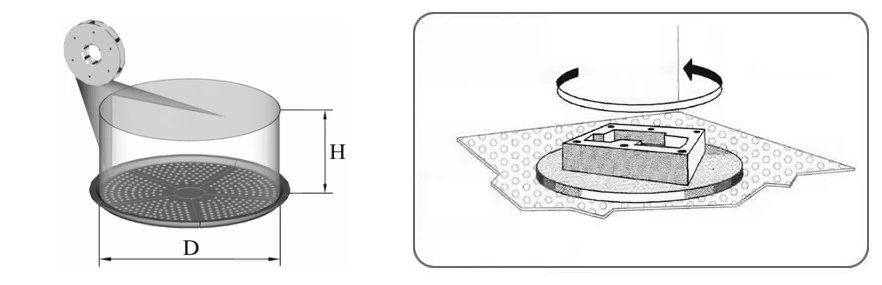
Mitigating Common Hazards
- Flying Abrasives
Ensure all machine doors, seals, and covers are securely closed during operation.
Inspect the abrasive containment system regularly for wear or damage.
- Excessive Noise Levels
Conduct periodic noise level assessments and provide adequate hearing protection to workers.
Install noise-reducing barriers if machines are operated in shared workspaces.|
- Mechanical Failures
Perform preventive maintenance, including lubrication and tightening of mechanical components.
Monitor vibrations or unusual sounds as indicators of potential issues requiring immediate attention.
- Electrical Safety
Inspect electrical connections and control panels for wear, loose connections, or moisture intrusion.
Ensure that the machine’s electrical system is grounded and complies with local regulations.
Industry Standards and Compliance
Operating a rotary table shot blasting machine safely isn’t just about internal protocols—it’s also about meeting external standards. Compliance ensures workplace safety while protecting your organization from fines or legal repercussions. Relevant standards may include:
- OSHA Regulations: Specific guidelines on noise exposure, dust control, and PPE.
- ISO Standards: Applicable for machinery safety and operational protocols.
- Local Safety Regulations: Adapt measures to meet regional requirements.

Benefits of Adopting Comprehensive Safety Measures
Implementing robust safety measures yields significant advantages:
- Reduced Downtime: Well-maintained and safely operated machines are less likely to fail, ensuring continuous production.
- Improved Worker Morale: A safe workplace fosters trust and confidence among employees.
- Cost Savings: Preventing accidents reduces medical costs, legal liabilities, and repair expenses.
- Prolonged Equipment Life: Regular maintenance and proper use ensure the machine performs efficiently for longer.
Conclusion: Prioritizing Safety for Operational Excellence
Safety is not an option but a necessity when operating rotary table shot blasting machines. By focusing on training, PPE, maintenance, and dust control, organizations can minimize risks, maintain compliance, and optimize machine performance.
A safe working environment protects both workers and equipment, ensuring sustainable operations and long-term success. By adhering to these measures, you can achieve efficiency without compromising safety.


