
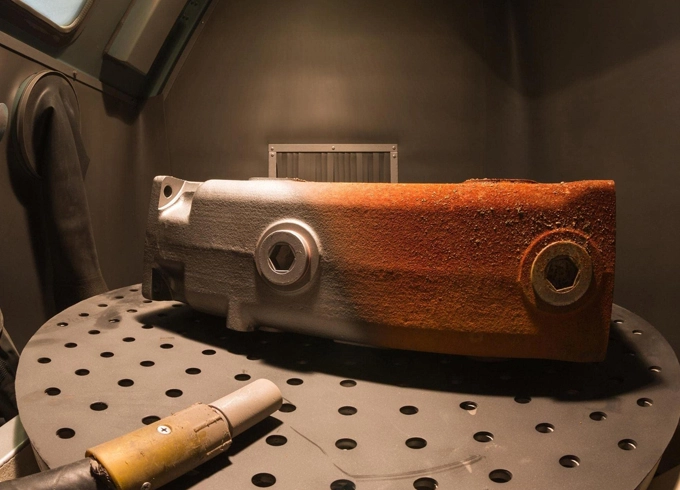
The efficiency of a rotary table shot blasting machine depends on how well it is used for different materials. Many manufacturers struggle with inconsistent cleaning results and excessive wear on their equipment.
To optimize performance, selecting the right abrasive, adjusting blast settings, and ensuring proper maintenance are key. These factors improve cleaning efficiency while prolonging equipment life.
Understanding how to fine-tune your shot blasting machine for different materials can help you achieve the best results with minimal operational costs.
Choosing the Right Abrasive for Different Materials

Different materials require different abrasives for effective cleaning. Using the wrong abrasive can lead to surface damage or inefficient blasting results.
To optimize performance, select abrasives based on hardness, size, and shape. Steel shots work well for hard metals, while aluminum oxide suits softer materials.
Common Abrasives and Their Applications
| Abrasive Type | Best for Materials | Key Benefits |
|---|---|---|
| Steel Shot | Carbon steel, cast iron | Deep cleaning, high durability |
| Aluminum Oxide | Aluminum, brass | Gentle on soft materials, effective surface prep |
| Glass Beads | Stainless steel | Smooth finish, minimal surface removal |
| Silicon Carbide | Hard alloys, ceramics | Aggressive cutting action |
How to Select the Best Abrasive
- Consider material hardness – Harder metals require stronger abrasives.
- Define surface finish goals – Smooth finishes need fine abrasives, while deep cleaning requires coarser media.
- Account for machine wear – Overly aggressive abrasives can damage machine components.
Adjusting Machine Settings for Optimal Performance
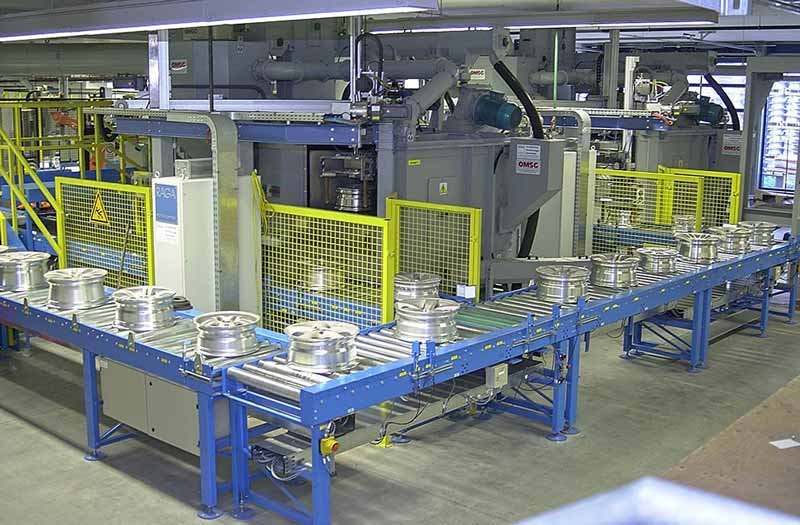
Machine settings play a crucial role in the efficiency of shot blasting. Many operators overlook pressure, rotation speed, and nozzle positioning, leading to inconsistent results.
Adjust air pressure, table speed, and nozzle angle based on material type to ensure even cleaning and reduce media waste.
Key Machine Settings and Their Impact
| Setting | Effect on Blasting | Best for Materials |
|---|---|---|
| Air Pressure | Higher pressure = deeper cleaning | Steel, iron |
| Table Speed | Slower = better coverage | Delicate materials |
| Nozzle Position | Closer = intense impact | Rust removal |
Fine-Tuning for Efficiency
- Lower pressure for soft metals to avoid surface damage.
- Increase table rotation for uniform exposure and consistent cleaning.
- Adjust nozzle angles to reach all surface areas effectively.
Maintenance Practices to Prolong Machine Life
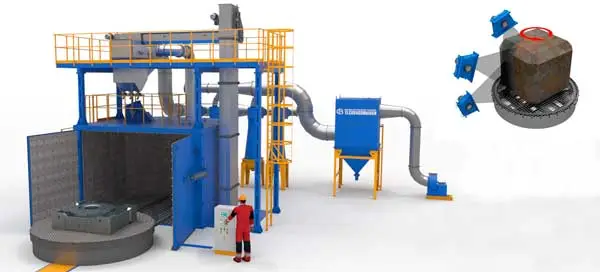
A well-maintained rotary table shot blasting machine operates more efficiently and lasts longer. Without regular maintenance, parts wear out quickly, leading to costly downtime.
Regular cleaning, component inspection, and lubrication help prevent unexpected breakdowns and ensure consistent performance.
Essential Maintenance Tasks
| Maintenance Task | Frequency | Benefit |
|---|---|---|
| Check abrasive levels | Daily | Prevents clogging and inconsistent blasting |
| Inspect nozzles | Weekly | Ensures even blasting coverage |
| Lubricate moving parts | Monthly | Reduces friction and wear |
| Replace worn components | As needed | Avoids performance issues |
Proactive Maintenance Tips
- Monitor abrasive flow to maintain even distribution.
- Keep filters clean to prevent dust buildup and ensure air quality.
- Train operators on proper usage to minimize unnecessary wear and tear.
Conclusion
Using a rotary table shot blasting machine efficiently requires selecting the right abrasive, adjusting machine settings, and performing regular maintenance. By fine-tuning these factors, manufacturers can enhance cleaning performance, reduce costs, and extend equipment lifespan.
Optimizing your shot blasting process leads to better productivity and improved surface preparation for various industrial applications.


