
Operating a rotary table shot blasting machine can seem complex if you’re unfamiliar with its setup and processes. Whether you’re new to shot blasting or looking to optimize your workflow, this user guide will walk you through step-by-step instructions to safely and efficiently operate your rotary table shot blasting machine.
This user guide covers the installation, operation, safety protocols, and maintenance of a rotary table shot blasting machine. By following these steps, you can maximize cleaning efficiency, reduce downtime, and ensure long-term machine reliability.
Let’s begin with an overview of the machine components and move on to step-by-step instructions for safe and effective use.
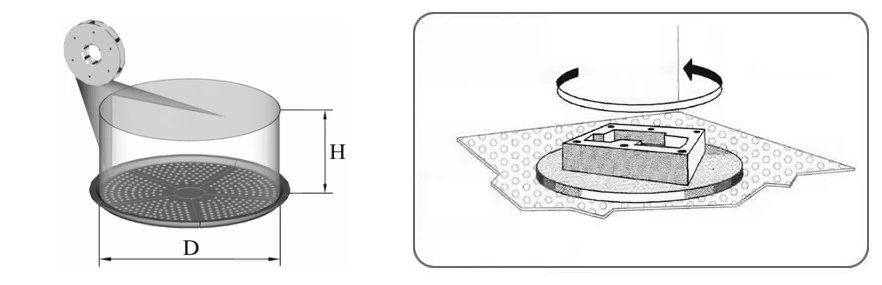
1. Understanding the Key Components of the Rotary Table Shot Blasting Machine
Before operating the machine, it’s important to familiarize yourself with its main components:
- Rotating Table: The circular table where workpieces are placed. It rotates at a controlled speed to ensure even cleaning.
- Blasting Wheels: High-speed wheels propel abrasive media onto the workpiece surfaces for cleaning and descaling.
- Abrasive Media Recovery System: Collects, cleans, and recycles the abrasive materials for reuse.
- Dust Collection System: Filters dust and contaminants, ensuring a clean and safe working environment.
- Control Panel: Allows operators to manage machine settings like rotation speed, blasting time, and abrasive flow.
- Loading/Unloading Area: The section where workpieces are placed and removed.
Why this matters:
Understanding these components helps ensure proper operation and troubleshooting during use.
2. Installation and Setup
Proper installation is critical to ensure smooth operation. Follow these steps:
- Choose the Right Location:
- Ensure the machine is installed on a flat, stable surface.
- Maintain adequate space around the machine for safe operation and maintenance.
- Ensure the machine is installed on a flat, stable surface.
- Power Supply:
- Connect the machine to the required power source, as specified in the user manual.
- Verify electrical connections to prevent overload or damage.
- Connect the machine to the required power source, as specified in the user manual.
- Connect Dust Collection System:
- Ensure the dust extraction unit is connected and operational to capture debris.
- Ensure the dust extraction unit is connected and operational to capture debris.
- Add Abrasive Media:
- Load the appropriate abrasive material (e.g., steel shots or grit) into the hopper, ensuring it meets the requirements for your specific application.
- Load the appropriate abrasive material (e.g., steel shots or grit) into the hopper, ensuring it meets the requirements for your specific application.
- Test Run:
- Perform a dry run without workpieces to check table rotation, blasting wheels, and abrasive flow.
- Perform a dry run without workpieces to check table rotation, blasting wheels, and abrasive flow.
Pro Tip: Follow the manufacturer’s installation guide to avoid setup errors that could affect performance.

3. Operating the Rotary Table Shot Blasting Machine
Here’s a step-by-step guide to operating the machine safely and efficiently:
Step 1: Preparing Workpieces
- Clean off any loose dirt or debris from the workpieces.
- Place workpieces evenly on the rotating table to avoid imbalance.
Step 2: Setting Machine Parameters
- On the control panel, set the following parameters:
- Blasting Time: Based on the level of rust, scale, or contaminants.
- Table Rotation Speed: Adjust speed to ensure thorough cleaning without damaging delicate parts.
- Abrasive Flow Rate: Set the appropriate amount of media based on the workpiece material and cleaning intensity.
- Blasting Time: Based on the level of rust, scale, or contaminants.
Step 3: Starting the Machine
- Close all machine doors securely.
- Start the machine using the control panel. The table will begin rotating, and blasting wheels will start projecting abrasive media.
Step 4: Monitoring the Process
- Observe the machine during operation to ensure everything runs smoothly.
- Check for any unusual sounds, vibrations, or irregular media flow.
Step 5: Unloading the Workpieces
- Once the cycle is complete, stop the machine using the control panel.
- Wait for the machine to come to a full stop.
- Open the doors and carefully remove the cleaned workpieces.
4. Safety Guidelines
Safety is critical when operating shot blasting machines. Follow these precautions to avoid accidents:
- Wear Personal Protective Equipment (PPE):
- Safety goggles
- Gloves
- Hearing protection
- Dust masks or respirators
- Check the Machine Before Operation:
- Ensure all doors and safety locks are secure.
- Inspect abrasive media levels and dust collection systems.
- Avoid Overloading:
- Do not place too many parts on the rotating table, as this can cause imbalance and reduced cleaning efficiency.
- Do not place too many parts on the rotating table, as this can cause imbalance and reduced cleaning efficiency.
- Maintain a Clean Workspace:
- Keep the area around the machine free from dust and debris.
- Keep the area around the machine free from dust and debris.
- Emergency Procedures:
- Familiarize yourself with the emergency stop button and shut-off procedures.
- Familiarize yourself with the emergency stop button and shut-off procedures.
Why safety matters:
Adhering to these guidelines ensures operator safety, prevents equipment damage, and maintains a clean and safe working environment.

5. Routine Maintenance and Troubleshooting
To keep your rotary table shot blasting machine in peak condition, regular maintenance is essential:
Daily Maintenance:
- Inspect the blasting wheels for wear and tear.
- Check the abrasive media level and refill as needed.
- Ensure the dust collection system is functioning properly.
Weekly Maintenance:
- Clean the inside of the machine and dust filters.
- Inspect the rotating table for any obstructions or damage.
- Tighten any loose bolts or connections.
Monthly Maintenance:
- Replace worn-out parts, such as blasting wheel liners and nozzles.
- Lubricate moving parts according to the manufacturer’s recommendations.
- Test the machine for proper balance and alignment.
Common Troubleshooting Tips:
- Uneven Cleaning: Check for improper table rotation or low abrasive flow.
- Dust Leakage: Inspect the dust collection system for clogs or leaks.
- Excessive Noise: Verify that blasting wheels are aligned and free of debris.
Why it’s important:
Regular maintenance prevents costly downtime, extends machine life, and ensures consistent cleaning performance.
6. Benefits of Following This User Guide
By following this user guide, you can:
- Maximize efficiency: Achieve uniform cleaning results in less time.
- Improve safety: Minimize risks by following best practices.
- Reduce costs: Prevent breakdowns through regular maintenance and proper usage.
- Extend machine life: Ensure the machine operates at peak performance for years to come.

Conclusion:
The rotary table shot blasting machine is an indispensable tool for achieving efficient, consistent, and high-quality surface cleaning. By following this user guide for setup, operation, safety, and maintenance, you can maximize performance, extend equipment life, and keep your production line running smoothly. Invest time in learning these best practices, and your shot blasting machine will become a reliable asset for your business.


