

Choosing the wrong shot blasting machine for steel pipes can lead to inefficiencies, increased maintenance costs, and poor surface treatment results. With so many options available, manufacturers often struggle to find the best fit for their specific needs.
To ensure optimal performance and long-term cost savings, selecting the right steel pipe shot blasting machine requires careful evaluation of key parameters such as blasting capacity1, machine type, abrasive recovery system2, and automation level3.
Understanding these critical factors will help manufacturers make an informed decision and maximize the benefits of their investment.
1. Blasting Capacity and Efficiency
The blasting capacity1 of a machine determines how efficiently it can clean steel pipes within a given timeframe.
A high-capacity machine ensures faster processing times, reducing labor costs and increasing overall production efficiency. This is crucial for industries with high output requirements.
Key Considerations for Blasting Capacity
| Parameter | Impact |
|---|---|
| Blasting Speed | Faster speeds reduce processing time. |
| Abrasive Flow Rate | Affects cleaning effectiveness and uniformity. |
| Pipe Diameter Range | Determines the flexibility of the machine for different pipe sizes. |
Selecting a machine with the appropriate capacity prevents bottlenecks in production and ensures consistent surface treatment results.
2. Machine Type: Pass-Through vs. Rotary Shot Blasting
Steel pipe shot blasting machines come in different configurations, each suited for specific applications.
The two main types are pass-through machines and rotary machines:
| Machine Type | Features | Best For |
|---|---|---|
| Pass-Through Shot Blasting Machine | Continuous processing, conveyor-based movement | High-volume production, long pipes |
| Rotary Shot Blasting Machine | Rotating mechanism for even surface coverage | Small to medium-sized pipes with complex geometries |
For large-scale operations, a pass-through machine is ideal for handling multiple pipes in a continuous process. However, rotary machines provide better cleaning for intricate pipe surfaces.
3. Abrasive Recovery and Separation System
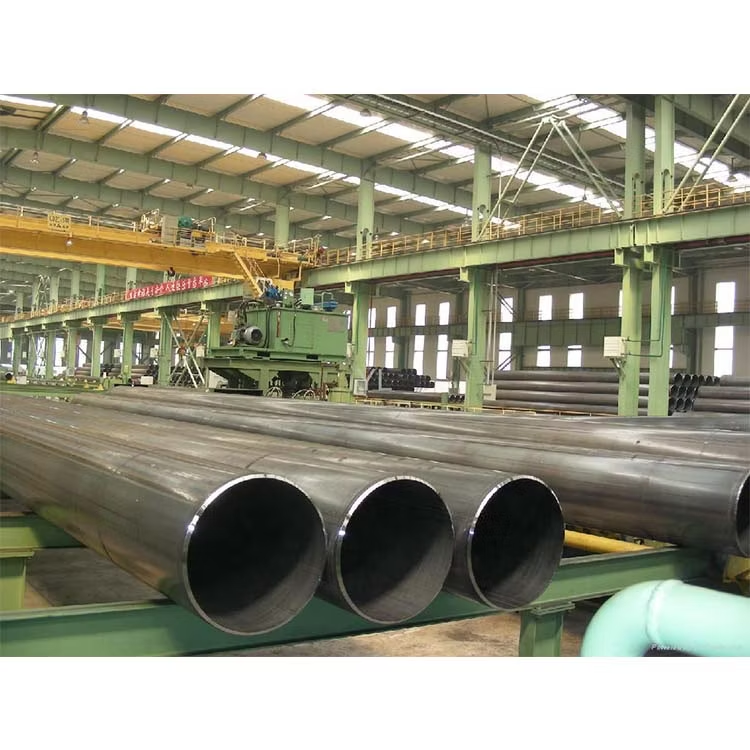
A well-designed abrasive recovery system2 is essential for maintaining efficiency and reducing operating costs.
High-quality machines feature automatic recovery and separation systems that recycle abrasives while removing dust and contaminants. This ensures consistent cleaning performance and extends the lifespan of the blasting media.
Key Components of an Effective Abrasive System
- Full Curtain BE-Type Separator – Improves abrasive separation and quality.
- Dust Collection System – Prevents contamination and ensures a cleaner working environment.
- Multi-Layer Sealing Brushes – Minimizes abrasive leakage and enhances operational safety.
An efficient abrasive recovery system2 lowers material costs and enhances machine performance over time.
4. Automation Level and Control System
Automation significantly impacts productivity, precision, and ease of operation.
Modern shot blasting machines incorporate PLC (Programmable Logic Controller) systems for automatic control, reducing manual intervention and ensuring consistent results.
Features of Advanced Automation Systems
| Feature | Benefit |
|---|---|
| Programmable Settings | Adjusts blasting parameters for different pipe sizes and materials. |
| Real-Time Monitoring | Tracks machine performance and detects issues early. |
| Automatic Start/Stop Function | Saves energy and reduces machine wear. |
Investing in a highly automated shot blasting machine minimizes errors, improves efficiency, and enhances safety.
5. Maintenance and Spare Parts Availability

Regular maintenance is crucial to keeping the machine running smoothly.
Choosing a machine with readily available spare parts and easy-to-replace components reduces downtime and long-term maintenance costs.
Factors Affecting Maintenance Efficiency
- Rapid Blade Replacement System – Allows quick maintenance, reducing operational delays.
- Durable Wear-Resistant Components – Extends machine lifespan.
- Comprehensive Technical Support – Ensures quick troubleshooting and repairs.
Selecting a machine with a robust maintenance plan ensures long-term operational efficiency and cost savings.
6. Energy Consumption and Environmental Considerations
Shot blasting machines consume significant energy, making efficiency a critical selection factor.
Energy-efficient machines with optimized turbine designs reduce power consumption while maintaining high blasting performance.
How to Choose an Eco-Friendly Machine
| Factor | Benefit |
|---|---|
| Energy-Efficient Motors | Lowers electricity costs. |
| Dust Collection System | Reduces environmental impact. |
| Abrasive Recycling Mechanism | Minimizes material waste. |
By choosing an eco-friendly shot blasting machine, manufacturers can comply with environmental regulations while cutting operational expenses.
My Insights

Selecting the right steel pipe shot blasting machine requires careful evaluation of blasting capacity1, machine type, automation, and maintenance requirements.
From my experience, investing in a high-efficiency machine with an advanced abrasive recovery system2 and automation features provides long-term cost savings and improved surface treatment quality.
Manufacturers must also consider energy consumption and spare parts availability to ensure uninterrupted production and lower operational expenses.
Conclusion
Choosing a steel pipe shot blasting machine is a strategic decision that impacts product quality, production efficiency, and long-term costs.
By prioritizing blasting capacity1, machine type, automation, and maintenance factors, manufacturers can optimize their surface treatment processes and maximize return on investment.
Understanding blasting capacity is crucial for optimizing production efficiency and reducing costs in steel pipe treatment. ↩ ↩ ↩ ↩
An effective abrasive recovery system enhances cleaning efficiency and reduces operational costs, making it essential for manufacturers. ↩ ↩ ↩ ↩
Automation in shot blasting machines increases precision and efficiency, leading to significant cost savings and improved safety. ↩


