
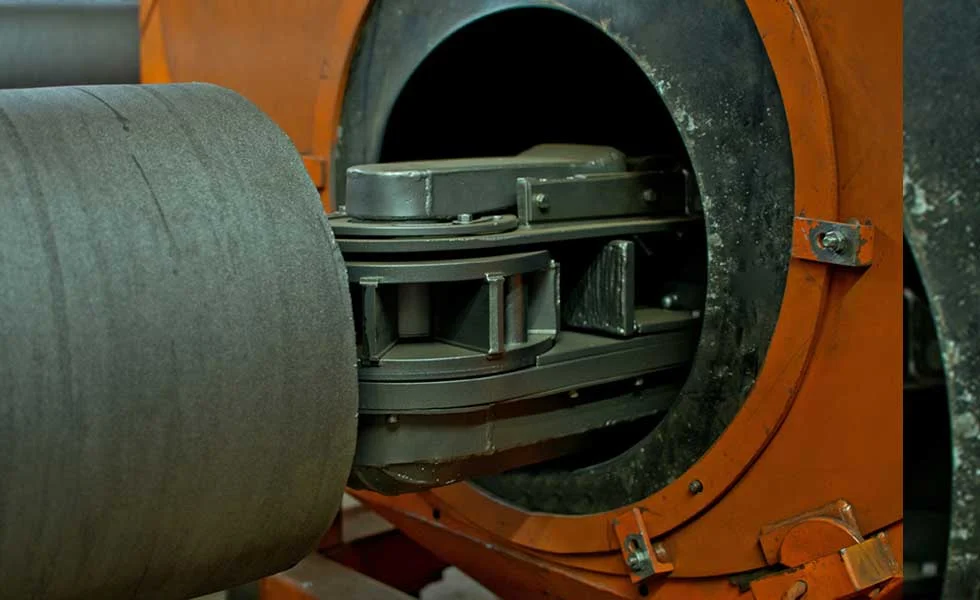
Shot-blasting machines operate under harsh conditions, facing continuous exposure to high-speed abrasives and mechanical stress. Without regular maintenance, they can suffer from premature wear, reduced efficiency, and unexpected breakdowns, leading to costly downtime.
Proper maintenance of drum-type shot-blasting machines extends their lifespan, improves operational efficiency, and reduces repair costs. By following a structured maintenance plan, businesses can ensure reliable performance while minimizing downtime and operational expenses.
Maintenance practices for drum-type shot-blasting machines are also applicable to other types, such as crawler-type and roller bed shot-blasting machines, ensuring that all equipment remains in optimal working condition.
Why is Regular Maintenance Important for Shot-Blasting Machines?
Drum-type shot-blasting machines are widely used for surface treatment, removing rust, scale, and contaminants from metal parts. However, due to their abrasive working environment, critical components like blast wheels, liners, and air ducts experience significant wear.
A well-maintained shot-blasting machine ensures smooth operation, reduces unplanned stoppages, and enhances blasting consistency. Neglecting maintenance can lead to reduced efficiency, higher operating costs, and potential safety hazards.
By implementing a proactive maintenance plan, businesses can optimize productivity and ensure long-term equipment reliability.
Daily Maintenance: Ensuring Smooth Operation
1.1 Inspection & Wear Management
Regular inspections help prevent small issues from escalating into major breakdowns.
Checking and replacing worn-out components daily keeps the machine running efficiently and prevents unexpected failures.

Key Daily Inspection Tasks
| Component | Checkpoints | Recommended Action |
|---|---|---|
| Wearing Parts | Blades, impeller, control cage | Replace if worn |
| Blast Room Lining | Guard boards & interior walls | Inspect for cracks |
| Separator Filter | Check for dust buildup | Clean if necessary |
Daily wear management minimizes performance loss and extends component lifespan.
1.2 Electrical System Checks
The electrical system controls critical functions of the shot-blasting machine.
Ensuring that all electrical components function properly prevents sudden failures and improves machine safety.
Electrical Maintenance Checklist
- Verify signal lights on control panels are working.
- Check switch limiting positions for accuracy.
- Remove dust from electrical control boxes to prevent overheating.
A well-maintained electrical system ensures stable operation and minimizes risks of short circuits or machine shutdowns.
1.3 Structural & Safety Checks
Loose bolts, dust accumulation, and improper closures can lead to performance inefficiencies and safety hazards.
Daily structural and safety inspections keep the machine stable and protect operators.
Structural Maintenance Priorities
| Task | Reason |
|---|---|
| Tighten bolts on machine & motors | Prevents vibrations & misalignment |
| Inspect dust pipelines for leaks | Ensures proper dust extraction |
| Check filter bags for blockages | Maintains air filtration efficiency |
| Secure access doors | Prevents safety hazards |
Daily checks ensure a safer and more stable blasting process.
Monthly Maintenance: Preventing Long-Term Wear
2.1 Transmission & Lubrication
Transmission systems endure significant stress and require proper lubrication to function smoothly.
Lubricating chains, checking air ducts, and securing bolts prevent excessive wear and system failures.

Monthly Maintenance Checklist
| Component | Maintenance Task | Purpose |
|---|---|---|
| Transmission Chains | Inspect & lubricate | Reduces friction & wear |
| Fans & Air Ducts | Check wear & secure fastening | Prevents airflow disruption |
| Machine Joints | Ensure bolts are tight | Prevents vibration & misalignment |
A well-lubricated and secure transmission system extends equipment lifespan and enhances efficiency.
Quarterly Maintenance: Extending Equipment Lifespan
3.1 Mechanical Integrity Checks
Over time, mechanical components can loosen or wear out, leading to performance issues.
Quarterly mechanical inspections help detect early signs of wear and prevent major breakdowns.
Mechanical Checkpoints
- Inspect bolt tightness on electric motors, fans, and auger conveyors.
- Examine chain drives for proper tension.
- Check flange joints for air leaks.
- Inspect bearing conditions for wear or overheating.
Regular mechanical inspections prevent structural failures and improve overall machine reliability.
3.2 Lubrication & Component Wear
High-speed rotating components require specialized lubrication to prevent overheating and wear.
Replacing high-speed grease for bearings and inspecting wear plates ensures smooth operation.
Key Lubrication Areas
| Component | Lubrication Type | Frequency |
|---|---|---|
| Main Bearing Seats | High-speed grease | Every 3 months |
| Wear Plates | Check for damage | Replace if necessary |
Proper lubrication enhances component longevity and reduces mechanical failures.
Annual Maintenance: Deep Overhaul for Maximum Performance
4.1 Motor & Bearing Maintenance
Electric motors and bearings endure continuous stress, requiring periodic overhauls.
Replenishing lubrication and checking for bearing wear prevent motor failures and performance degradation.
Annual Motor Maintenance Tasks
- Disassemble and inspect electric motor bearings.
- Replenish lubrication for all bearing components.
- Replace worn-out bearings as needed.
A well-maintained motor system ensures reliable power transmission and smooth operation.
4.2 Corrosion & Duct System Inspection
Air ducts and air cylinders are prone to corrosion due to prolonged exposure to abrasive particles.
Replacing heavily corroded ducts and cleaning air cylinders ensures efficient airflow and prevents contamination.

Air System Maintenance Checklist
| Task | Purpose |
|---|---|
| Inspect air ducts & cylinders | Prevents clogging & corrosion |
| Replace severely corroded ducts | Ensures proper airflow |
| Clean residual oil in air cylinders | Prevents contamination |
Annual inspections ensure the air system operates efficiently, reducing energy consumption and improving machine performance.
Preventive Maintenance Schedule
Following a structured maintenance schedule ensures optimal performance and longevity.
| Maintenance Task | Frequency |
|---|---|
| Inspect blast wheel & replace worn parts | Daily |
| Lubricate bearings and moving parts | Weekly |
| Clean and inspect dust collector | Bi-weekly |
| Check drum lining for wear | Monthly |
| Calibrate electrical components | Quarterly |
| Overhaul electric motors & bearings | Annually |
Consistently following this schedule prevents sudden failures and improves productivity.
Conclusion
Regular maintenance is the key to ensuring long-term efficiency and cost savings for drum-type shot-blasting machines. By following daily, monthly, quarterly, and annual maintenance procedures, businesses can prevent unexpected breakdowns, extend equipment lifespan, and maintain high blasting performance.
Investing time in preventive care leads to higher productivity, lower operational costs, and enhanced machine reliability, making it an essential practice for any industrial operation.


