

Choosing the wrong shot blasting machine can lead to poor cleaning performance, increased wear on components, and excessive energy consumption. Many industries struggle to find the right equipment that balances efficiency, cost, and surface quality.
Selecting the right rotary shot blasting machine ensures optimal surface treatment, improves efficiency, and enhances the durability of components. The key is to match machine capabilities with specific application requirements.
With various options available, it’s crucial to evaluate key factors such as size, material compatibility, surface finish requirements, and abrasive selection. Let’s explore these considerations in detail.
Introduction
Rotary shot blasting machines play a vital role in cleaning, deburring, descaling, and surface preparation across multiple industries. From automotive and aerospace to metalworking and construction, these machines help remove rust, scale, and contaminants, ensuring high-quality finishes.
Selecting the right rotary shot blasting machine depends on several critical factors, including part size, material properties, desired surface finish, and the type of abrasive media used.
Why Is Proper Machine Selection Important?
Using an inappropriate rotary shot blasting machine can lead to:
- Overloading or underutilization, reducing efficiency
- Excessive wear on machine components, leading to costly maintenance
- Inconsistent surface finishes, affecting product quality
- High operational costs due to energy inefficiency
To ensure optimal cleaning performance and cost-effectiveness, it’s essential to select a machine that aligns with production needs and material specifications.
Key Factors to Consider
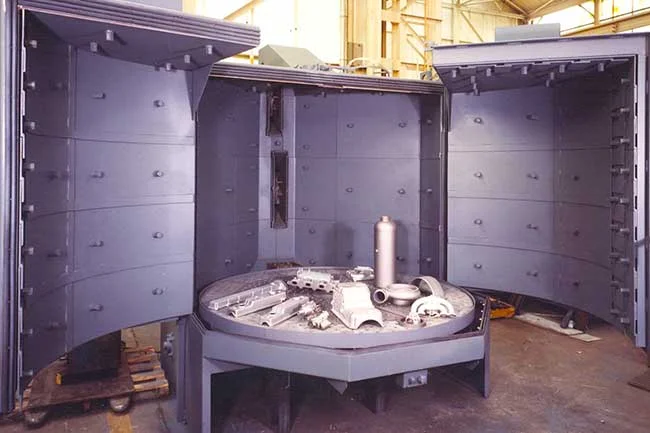
Size and Weight Capacity
The size and weight capacity of a rotary shot blasting machine determine the range of parts it can process.
| Factor | Consideration |
|---|---|
| Part Dimensions | Ensure the machine can accommodate the largest parts in production. |
| Weight Capacity | Prevent overloading to maintain smooth and efficient operation. |
| Energy Efficiency | A properly sized machine minimizes energy waste and maximizes productivity. |
A machine that is too large wastes energy and resources, while one that is too small may not provide adequate cleaning coverage.
How to Choose the Right Size?
- If processing large, heavy parts, opt for a high-capacity rotary machine with reinforced components.
- For small to medium-sized parts, a compact rotary shot blasting system may be more efficient.
- Machines with adjustable load capacities provide flexibility for diverse applications.
Material and Hardness of the Parts
Different materials require specific blasting techniques and abrasives to achieve the best results.
| Material Type | Recommended Blasting Approach |
|---|---|
| Soft materials (e.g., aluminum, plastic) | Use a gentle blasting process to prevent damage. |
| Medium-hard metals (e.g., stainless steel) | Requires moderate blasting intensity for uniform cleaning. |
| Hard materials (e.g., cast iron, carbon steel) | Needs aggressive blasting to remove contaminants effectively. |
Why Does Material Hardness Matter?
- Soft materials require low-impact abrasives like glass beads or fine steel shot.
- Harder materials need high-impact abrasives like steel grit or aluminum oxide.
- Machines with adjustable blasting intensity allow versatility for various materials.
Surface Finish Requirements
The required surface finish determines the intensity and type of blasting process needed.
| Surface Finish | Best For |
|---|---|
| Rough texture | Enhances adhesion for coatings and paints. |
| Smooth finish | Required for precision parts and aesthetic applications. |
Blasting parameters such as abrasive type, pressure, and exposure time should be adjustable to meet different finishing requirements.
How to Control Surface Finish?
- Use higher blasting pressure for a rougher texture (ideal for coatings and adhesives).
- Reduce blasting intensity for smoother finishes on precision parts.
- Machines with programmable settings offer better control over final surface quality.
Selecting the Right Abrasive Media
The choice of abrasive media directly impacts cleaning efficiency, surface texture, and machine longevity.
| Abrasive Type | Best For | Surface Effect |
|---|---|---|
| Steel Shot | Heavy-duty cleaning and peening | Smooth, polished finish |
| Steel Grit | Removing rust and coatings | Rougher texture for coatings |
| Aluminum Oxide | Non-metallic materials | Aggressive, fast cutting |
| Glass Beads | Delicate surfaces | Gentle cleaning with satin finish |
Why Does Abrasive Selection Matter?
- Steel shot is best for general cleaning and surface strengthening.
- Steel grit is effective for removing rust and old coatings.
- Aluminum oxide provides fast material removal for tough surfaces.
- Glass beads are ideal for delicate materials requiring a smooth finish.

Conclusion
Selecting the right rotary shot blasting machine is crucial for achieving consistent surface treatment, enhanced efficiency, and long-term reliability.
By evaluating:
✔ Size and weight capacity to match production needs
✔ Material compatibility to ensure effective cleaning
✔ Surface finish requirements for desired results
✔ Abrasive media selection to optimize performance
It’s possible to choose a machine that enhances efficiency, extends part longevity, and delivers uniform surface finishes.
Final Recommendation
- For large-scale industrial applications, opt for a high-capacity rotary machine with multiple turbines.
- If working with soft materials or precision components, choose a machine with adjustable blasting intensity.
- Consider energy-efficient models to reduce operational costs while maintaining superior performance.
Investing in the right rotary shot blasting machine leads to better product quality, lower maintenance costs, and increased productivity.


