
Sandblasting is a highly effective method for cleaning and preparing surfaces by blasting abrasive materials at high pressure. This technique removes rust, paint, and other contaminants, leaving surfaces smooth and ready for further processing. It’s an essential tool in industries that require fast, reliable, and consistent surface preparation, whether you’re working with metal, concrete, or stone.
Imagine a world where you no longer need to waste hours scrubbing away at surfaces, only to end up with uneven results. Sandblasting offers a fast, efficient, and reliable solution for cleaning and prepping various materials. But how does this powerful tool work? Let’s dive into the process.
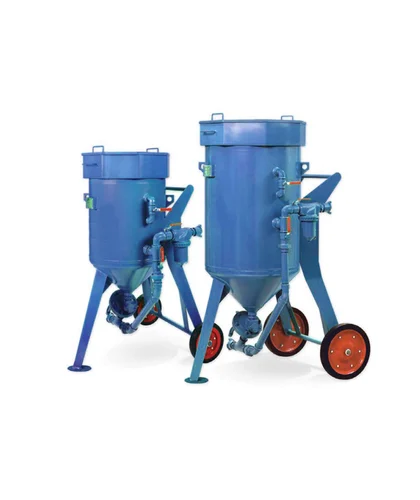
What Is Sandblasting?
At its core, sandblasting is the process of propelling abrasive materials at high speed onto a surface using compressed air. It works by stripping away contaminants like rust, dirt, old coatings, or stains, leaving the surface smooth, clean, and ready for further treatments such as painting or coating. This method can be used on a variety of materials including metal, concrete, stone, and wood.
The Sandblasting Process
While the concept of sandblasting might sound simple, achieving consistent, quality results requires a clear understanding of the process.
Key Components of a Sandblasting System
- Compressor: The heart of any sandblasting system. It generates the high-pressure air needed to propel the abrasive material.
- Blasting Pot (Tank): Holds the abrasive media (sand, glass beads, steel grit, etc.) before it’s sent to the nozzle.
- Hoses and Nozzles: These direct the flow of air and abrasive mixture. Nozzles allow the operator to control the intensity and direction of the blasting.
- Abrasive Material: The type of abrasive used depends on the surface you're working with. Options include sand, aluminum oxide, steel grit, glass beads, and more.
How the Process Works
- Load the Abrasive
The abrasive media is loaded into the blasting pot. Choose the abrasive material based on the surface condition and the desired finish. For example, tougher abrasives like steel grit are used for heavy-duty tasks, while glass beads are perfect for delicate surfaces. - Generate Pressure
The compressor builds up air pressure and forces it through the hoses connected to the blasting pot. - Blasting
The abrasive material is then pushed through the nozzle at high speed. This high-velocity impact helps to break down rust, dirt, old paint, and other debris on the surface. - Cleanup
After the surface is cleaned, the used abrasive material and debris are either collected for recycling or discarded.

Why Choose Sandblasting?
If you're in the business of surface preparation, you already know the frustration of dealing with ineffective cleaning methods. Manual scraping, sanding, or power washing can take up valuable time and energy, and the results often leave much to be desired. Sandblasting can save you from this time-consuming process by providing fast, effective, and consistent results.
Efficiency
Sandblasting can complete tasks much faster than traditional methods, saving time and reducing labor costs.
Uniform Finish
Unlike hand scrubbing or sanding, sandblasting ensures a consistent surface texture, which is critical for applications that require precise finishes, such as painting or coating.
Versatility
It can be used on a wide variety of materials, from metal to stone to wood, making it a flexible solution for different types of projects.
Common Applications of Sandblasting
- Metal Surface Preparation
Remove rust, paint, and scale from steel, aluminum, or other metals to prepare them for coating or welding. - Concrete and Masonry Cleaning
Strip away grime, graffiti, or old paint from concrete walls, sidewalks, and brick structures for restoration or refinishing. - Wood Surface Refinishing
Smooth out rough wood or remove old finishes for furniture restoration or construction projects. - Automotive Restoration
Clean car bodies, engine parts, and chassis for repair or repainting, ensuring a polished and primed surface.

Safety Considerations
While sandblasting is highly effective, it’s important to take the necessary precautions to avoid health risks.
- Dust Inhalation: The dust created during the blasting process can be harmful to the lungs, so it’s essential to wear a high-quality dust mask or respirator.
- Eye Protection: Protective eye gear is critical to prevent injuries from flying abrasive particles.
- Proper Ventilation: Ensure that sandblasting is conducted in a well-ventilated area or use dust collection systems to reduce airborne hazards.
Conclusion
Sandblasting is a powerful and efficient way to clean, smooth, or prepare surfaces for further treatments. If you’re tired of spending hours on ineffective cleaning methods, sandblasting offers a faster and more reliable solution. With the right setup, equipment, and precautions, sandblasting delivers impressive results, ensuring that surfaces are perfectly prepped for whatever comes next.
Invest in the right sandblasting system today and experience the difference it can make for your projects.


