

Extending the service life of key components in abrasive surface treatment systems is essential for operational efficiency. The proper handling of these parts can dramatically reduce downtime and improve productivity.
Regular inspections, timely replacements, and proper care are critical to ensuring consistent performance and safe operation of surface preparation equipment.
This guide delves into the role of essential components, maintenance strategies, and actionable insights for prolonging their functionality.
The Importance of Key Components in Abrasive Systems

Every part of a surface preparation machine contributes to its overall performance and reliability. Failure to maintain or replace worn parts can lead to inefficiencies and potential hazards.
Careful attention to critical components helps maintain optimal cleaning performance and reduces unexpected operational interruptions.
Dive Deeper: Enhancing Efficiency, Reducing Delays, and Prioritizing Safety
Improving Output
Components like blast wheels and blades are responsible for precision and surface treatment quality. Their condition directly impacts the effectiveness of the cleaning process.Reducing Downtime
Having spares ready for replacement ensures uninterrupted workflow and minimizes costly production delays.Ensuring Operator Safety
Damaged parts can create risks, such as misaligned blasting patterns or unexpected failures. Routine checks help avoid such scenarios.
Key Types of Spare Parts for Effective Surface Preparation

Knowing the specific roles and maintenance requirements of critical components can prevent unnecessary wear and improve system longevity.
Blast Wheels
These parts are the driving force of abrasive systems, propelling media at high velocity to treat surfaces efficiently.
- Variations: Belt-driven models offer general-purpose utility, while direct-drive systems excel in demanding conditions.
- Maintenance: Periodic inspections of alignment and balance reduce uneven wear.
| Type of Blast Wheel | Best For |
|---|---|
| Belt-Driven | High-speed, general cleaning tasks. |
| Direct-Drive | Heavy-duty industrial applications. |
Alignment Systems (Control Cages)
These mechanisms ensure that abrasive media is directed accurately onto the target surface. Misalignment can lead to uneven treatment and wasted media.
- Routine Checks: Regular calibration ensures consistent results.
- Replacement: Prompt action prevents misdirected blasting and inefficiencies.
Abrasive Blades
The blades in the wheel assembly distribute the media uniformly. Over time, they endure significant wear due to constant friction.
- Replacement Frequency: Regular updates prevent excessive downtime.
- Material Considerations: High-quality blades reduce maintenance needs.
| Component | Maintenance Frequency |
|---|---|
| Blast Wheels | Inspect weekly; replace as needed. |
| Blades | Check monthly; use durable materials. |
Best Practices for Maintenance

Proactive care significantly enhances the functionality and durability of abrasive surface preparation systems. Here are effective strategies to optimize maintenance.
Lubrication
- Purpose: Reduces friction between moving parts, minimizing heat generation and wear.
- Recommendation: Adhere to the equipment manual’s lubrication schedule to prevent overuse or underuse.
Inspection Routines
- Regular Checks: Assess key components for signs of wear, damage, or misalignment.
- Critical Timelines: Perform routine visual inspections after every major project or extended use.
Cleaning Procedures
- Why It’s Essential: Dust, dirt, and residual abrasive material can clog mechanisms and reduce operational efficiency.
- Recommended Approach: Schedule thorough cleanings, especially after projects involving heavy debris.
Calibration Techniques
- Alignment Adjustments: Regularly fine-tune wheel alignment to ensure precise blasting patterns.
- Frequency: Calibration should occur quarterly or after replacing key parts.
| Maintenance Activity | Benefit |
|---|---|
| Lubrication | Extends lifespan of moving parts. |
| Inspection | Identifies issues before escalation. |
| Cleaning | Keeps equipment functioning smoothly. |
| Calibration | Ensures accuracy and efficiency. |
Benefits of a Proactive Approach
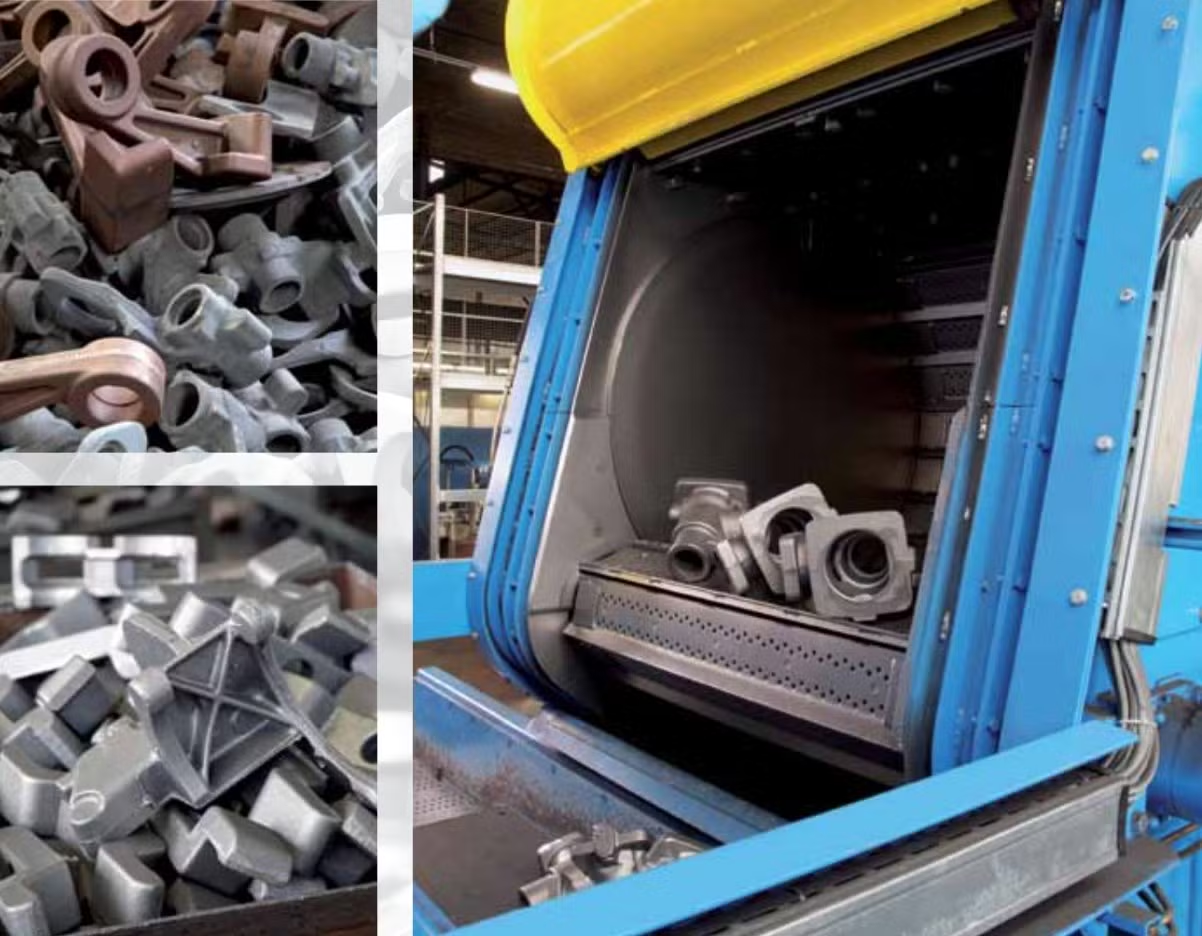
Proactively caring for equipment components offers long-term advantages that go beyond immediate functionality.
Extended Equipment Lifespan
Properly maintained systems remain operational for years, reducing the need for frequent replacements.Cost Savings
Preventive measures lower repair costs and minimize downtime, contributing to overall profitability.Consistent Results
Reliable performance ensures project deadlines are met without compromising quality.
Conclusion
Key components in surface preparation systems require diligent care to maintain optimal performance and safety.
- Regular inspections and lubrication reduce wear and prevent unexpected failures.
- Prompt replacement of worn parts minimizes interruptions and ensures operator safety.
- Investing in high-quality components pays off in long-term efficiency and cost savings.
By following these maintenance strategies, users can maximize the lifespan and reliability of their equipment while achieving consistent, high-quality results.


