

Struggling with frequent breakdowns or inefficiencies in your rotary table shot blasting machine? These machines are workhorses, but they are not immune to problems that can disrupt production.
The most common issues with rotary table shot blasting machines stem from wear and tear, improper maintenance, and operational inefficiencies. Preventative measures, regular inspections, and proper operator training can significantly enhance performance and longevity.
Many manufacturers experience recurring issues that reduce productivity and increase costs. Understanding these problems and their solutions can help maintain optimal machine performance.
Why Is My Rotary Table Shot Blasting Machine Losing Efficiency?
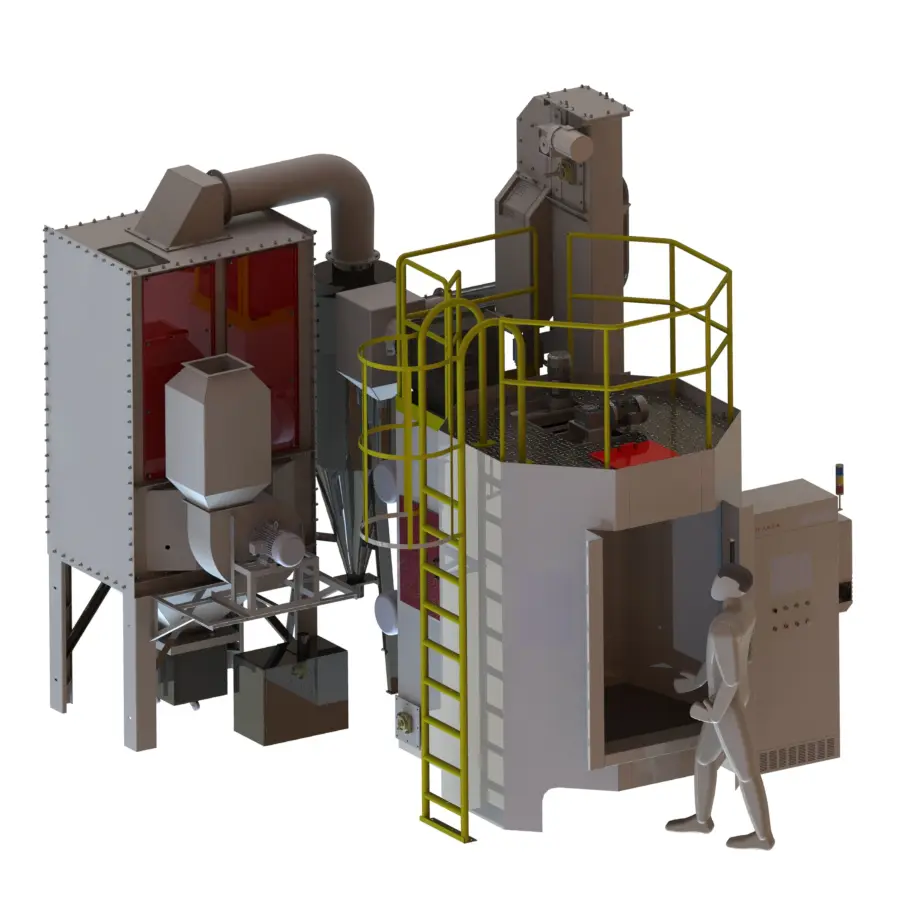
When parts emerge with inconsistent surface finishes, or the cycle time increases, productivity suffers.
Efficiency loss often results from worn-out blast wheels, clogged abrasive flow, or inadequate media replenishment. Replacing worn parts, adjusting blast settings, and ensuring proper abrasive circulation can restore optimal performance.
Even minor efficiency losses can have a cascading impact on production timelines. Monitoring machine parameters regularly can prevent bigger issues from developing.
How to Improve Efficiency
| Problem | Cause | Solution |
|---|---|---|
| Inconsistent surface finish | Uneven abrasive distribution | Inspect and adjust media flow |
| Slow cycle times | Clogged abrasive path | Clean and maintain the blast wheel |
| High abrasive consumption | Poor media recycling | Check and optimize separation system |
What Causes Premature Wear on Machine Components?

If your machine components are wearing out faster than expected, maintenance costs can skyrocket.
Premature wear is commonly caused by improper media selection, excessive operating pressures, or inadequate shielding of vulnerable parts. Choosing the right abrasive, adjusting air pressure, and reinforcing wear-prone areas can reduce replacement frequency.
Unchecked wear can lead to costly repairs and unplanned downtime. Implementing a predictive maintenance strategy can help anticipate and prevent failures.
Strategies to Minimize Wear
- Use the correct abrasive – Harder media can wear out components faster.
- Monitor blast pressure – Excessive force accelerates deterioration.
- Protect vulnerable areas – Install wear plates where needed.
Why Is My Abrasive Recycling System Failing?
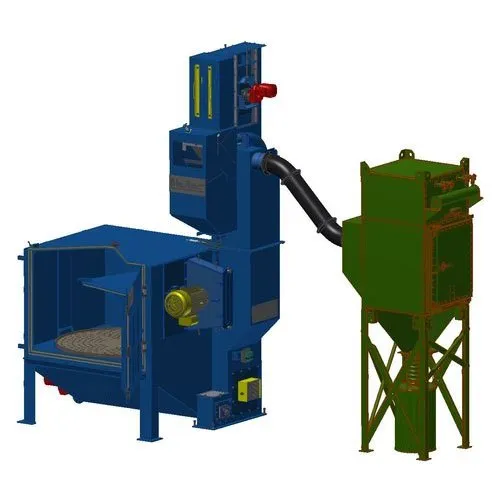
If your machine consumes excessive abrasive or leaves contaminants in the mix, recycling efficiency is compromised.
Clogged filters, improper media classification, and worn-out separators lead to abrasive recycling failures. Routine cleaning, proper media selection, and timely replacement of filters and screens can ensure effective recycling.
Abrasive recycling directly affects both operating costs and surface finish quality. Optimizing the system can enhance efficiency and extend media lifespan.
Key Maintenance Steps
| Maintenance Task | Frequency | Impact |
|---|---|---|
| Clean filters | Weekly | Prevents clogging |
| Inspect separator | Monthly | Ensures proper classification |
| Replace worn screens | As needed | Maintains recycling efficiency |
How to Prevent Excessive Downtime and Costly Repairs?

Frequent breakdowns can bring production to a halt, leading to missed deadlines and increased costs.
Most unexpected downtime is due to neglected maintenance, untrained operators, or poor-quality spare parts. Regular inspections, proper training, and using genuine replacement parts can significantly reduce failures.
Preventive maintenance is more cost-effective than emergency repairs. A structured maintenance schedule can help avoid disruptions.
Preventive Maintenance Checklist
- Daily: Inspect blast wheels and media flow.
- Weekly: Clean dust collectors and check abrasive levels.
- Monthly: Lubricate moving parts and inspect electrical connections.
Conclusion
Understanding and addressing common rotary table shot blasting machine problems can prevent costly downtime and improve efficiency. Regular maintenance, operator training, and using high-quality abrasives are key strategies to keep machines running smoothly. By staying proactive, manufacturers can maximize productivity and reduce long-term operational costs.


