

Shot blasting and painting lines are crucial in preparing steel products for industrial applications, improving both the performance and durability of metal components. These lines ensure that steel surfaces are thoroughly cleaned and protected, making them more resilient to environmental factors.
The integration of shot blasting and painting processes offers significant efficiency gains in cleaning, coating, and protecting steel components, ensuring they are well-prepared for further use or processing.What are the benefits of integrating shot blasting and painting processes?
What is Shot Blasting?
Shot blasting is a surface preparation technique that involves propelling abrasive materials at high speeds to clean and prepare metal surfaces. This process is particularly essential in industries dealing with large metal components such as steel plates, beams, and pipes. The purpose of shot blasting is to remove rust, dirt, old paint, and other contaminants, providing a clean surface that enhances the adhesion of subsequent coatings.
In essence, shot blasting is an indispensable method for preparing steel surfaces, ensuring they are pristine and ready for further processing or coating.

Dive deeper into Shot Blasting:
Shot blasting is often compared to sandblasting, but it uses steel shots or other abrasive materials instead of sand. These abrasives are shot at high velocities, removing contaminants like rust, oil, and other unwanted materials from the surface of steel workpieces. This process also creates a textured surface, increasing the surface area for better adhesion of paints and coatings.
The key benefits of shot blasting include:
- Derusting and Surface Cleaning: This is crucial for metals exposed to harsh environmental conditions. Shot blasting removes any corrosion or rust that could weaken the material.
- Enhanced Surface Texture: The abrasive action creates a rough surface that improves the adherence of coatings, which is especially important for long-lasting paint applications.
- Prepares for Further Processing: After shot blasting, steel components are ready for cutting, welding, or other fabrication processes.
Shot Blasting Equipment:
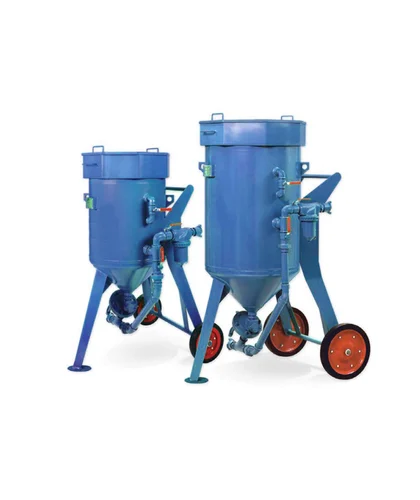
Shot blasting machines come with various components designed to maximize cleaning efficiency, including:
- Impellers: They accelerate abrasive materials at high speed to impact the steel surface.
- Abrasive Materials: Steel shots, grit, and other media are used depending on the level of cleaning required.
What is Painting in Shot Blasting and Painting Lines?
After shot blasting, the next critical step is painting. The application of protective coatings ensures that the steel components remain resistant to corrosion and other damaging environmental factors. Paints, typically primers, act as a protective barrier, preventing rust formation and improving the metal's fatigue resistance.
The painting process adds a crucial layer of protection, significantly enhancing the longevity of steel components.
Dive deeper into Painting:
In industrial settings, the need for effective corrosion protection is paramount. The painting stage serves this purpose, as it not only prevents rust but also enhances the component's ability to withstand environmental stress. Various industries, including automotive and steel manufacturing, rely on these coatings to improve the performance and lifespan of their components.
Types of Coatings:
- Epoxy Primers: Known for their excellent corrosion resistance, epoxy primers are commonly used for steel surfaces exposed to harsh conditions.
- Polyurethane Coatings: These coatings provide a durable, weather-resistant finish, ideal for outdoor applications.
- Zinc-rich Coatings: Frequently used in heavy-duty steel applications, these coatings offer enhanced corrosion resistance, especially in marine environments.
The Shot Blasting and Painting Process

The shot blasting and painting process in industrial settings follows a precise sequence to ensure efficiency and effectiveness. Here's how the entire system operates:
Step-by-Step Workflow:
- Inlet Roller Conveyor: Steel workpieces enter the system on a conveyor belt, ready for treatment.
- Shot Blasting: Workpieces move into the shot blasting chamber, where high-speed abrasives clean the surfaces.
- Abrasive Cleaning System: Used abrasives are recovered, and dust is removed to ensure optimal reuse of materials.
- Painting Room: After cleaning, components are transferred to the painting room, where protective primers are applied using airless spray guns.
- Drying Chamber: The painted components are then dried using hot air or heated chambers to ensure the coating adheres properly.
- Outlet Conveyor: The finished components are moved out, ready for further processing or shipment.
Dive deeper into the Process:
Each step in the shot blasting and painting line plays a crucial role in improving the overall efficiency of surface treatment. By automating this process, manufacturers can achieve high throughput while maintaining excellent quality standards. For example, the recovery and reuse of abrasives ensure cost-effectiveness, while the painting and drying stages ensure that each steel piece receives consistent coverage and optimal curing for long-lasting protection.
Key Components of Shot Blasting and Painting Machines

Key Parts of Shot Blasting and Painting Lines:
| Component | Function |
|---|---|
| Inlet/Outlet Roller Conveyors | Move steel workpieces into and out of the system. |
| Shot Blasting Machine | Cleans and prepares the surface by propelling abrasives at high speeds. |
| Dust Collector | Removes dust and fine particles from the air, maintaining a clean working environment. |
| Abrasive Recycling System | Recycles used abrasives for reuse, improving efficiency and reducing waste. |
| Painting Room and Spray Guns | Applies primers and paints to the steel surfaces. |
| Drying Chamber | Cures the paint for a hard, durable finish. |
How These Components Work Together:
Each component of the shot blasting and painting machine contributes to a streamlined and efficient process. The conveyor system ensures smooth transitions between stages, while the shot blasting machine effectively cleans the metal surfaces. The dust collector ensures a clean environment, and the painting room provides consistent, high-quality coatings.
Benefits of Using Shot Blasting and Painting Lines

Implementing a shot blasting and painting line offers numerous advantages for industrial manufacturing:
Key Benefits:
- Improved Corrosion Resistance: Protective coatings help steel resist environmental damage such as rust and corrosion.
- Increased Fatigue Resistance: The paint and primer layers enhance the material's ability to withstand stress and extend its useful life.
- Optimized Surface Quality: Shot blasting ensures a smooth, clean surface that is ideal for further processing, such as welding or cutting.
- Environmental Benefits: Efficient dust and paint mist collection systems reduce emissions and minimize environmental impact.
Dive deeper into the Benefits:
Beyond the immediate advantages of surface cleaning and protection, the long-term benefits of using shot blasting and painting lines are equally significant. The improved lifespan of steel components reduces the need for frequent replacements, saving companies money in the long run. Additionally, the enhanced surface quality of steel leads to better outcomes in further manufacturing processes, such as welding, cutting, and painting.
Industrial Applications of Shot Blasting and Painting Lines

Shot blasting and painting lines are indispensable in several industries, providing critical support for processes that involve steel and metal components.
Industries Served:
- Steel Manufacturing: For preparing steel plates, beams, and pipes for various uses.
- Automotive Parts Production: Ensuring high-quality surface treatment for automotive components.
- Construction: Steel structures such as beams and pipes benefit from thorough surface treatment.
Common Workpieces Processed:
- Steel Plates: Used in construction, automotive, and shipbuilding industries.
- H Beams and I Beams: Essential components in building infrastructure and machinery.
- Pipes: Used in plumbing, construction, and manufacturing.
Working Principle of Shot Blasting and Painting Lines
The machine operates in a highly automated manner to ensure efficiency. Steel plates or components are fed into the system, undergo the cleaning and coating process, and are then unloaded with optimal surface quality.
How It Operates:
- Steel components enter via the inlet conveyor.
- Shot blasting prepares the surface.
- The painting system coats the component.
- Finally, the drying process ensures the paint cures properly.
Dive deeper into Automation:
Automation is a key feature in shot blasting and painting lines. The process is designed to minimize human labor and maximize throughput. Sensors and control systems are employed to monitor each phase, ensuring that each workpiece undergoes consistent treatment.
Customization and Tailored Solutions

Not all manufacturing needs are the same. That's why shot blasting and painting lines can be customized to fit specific industry requirements.
Custom Solutions for Specific Needs:
- Unique Workpiece Shapes: Tailored machines can be built to accommodate irregularly shaped components.
- High-Throughput Demands: Larger systems can be designed for industries requiring high-volume production.
Qinggong Machinery's Role:
We specialize in offering customized shot blasting and painting solutions tailored to meet specific client needs. Our team ensures that each system maximizes efficiency and performance.
Conclusion
Shot blasting and painting lines are vital to the preparation and protection of steel components, ensuring they meet industry standards for quality and durability


