
Shot Blasting vs Grit Blasting: A Detailed Comparison of Two Surface Preparation Methods?

Shot and grit describe abrasive forms, while wheel blasting and air blasting describe how abrasive is accelerated. These are related but different choices. Specify both the media and the equipment when comparing surface-preparation methods, rather than assuming that shot always means a wheel machine and grit always means compressed air. Clarify the Terminology Shot is […]
Inside a Rotary Table Shot Blasting Machine: How Each Component Affects Cleaning Performance

A rotary table shot blasting machine treats supported parts while the table presents them to the blast stream. Cleaning quality depends on the combined behavior of the handling, abrasive, recovery, extraction and control systems. Evaluating a single motor or component cannot establish the performance of the complete process. Table, Drive and Part Support Check the […]
Why Standard Rotary Table Shot Blasters May Fail for Oversized or Uneven Parts (and How to Solve It)

Large or irregular parts can challenge a rotary table shot blasting arrangement through limited clearance, uneven loading, shadowed surfaces and difficult abrasive removal. Evaluate the actual part and fixture against the machine’s documented limits before loading it or proposing a modification. Check Fit Throughout the Operating Motion Provide a dimensioned part drawing, mass, center of […]
Why Foundry Equipment Quotes Differ: Scope and Cost Comparison Guide

Foundry equipment quotations can differ because suppliers have assumed different process duties, included different equipment or proposed different service and commercial terms. Normalize those differences before concluding that a price is either good value or incomplete. Start with a Common Specification Provide the same material, product range, production schedule and acceptance requirements to each supplier. […]
How to Tell If a Foundry Equipment Manufacturer Really Understands Your Industry?

Assess a foundry equipment manufacturer’s industry understanding through the questions it asks, the technical proposal it produces and the evidence supporting its claims. Sector terminology and a list of customer industries are not enough to establish suitability for a specific casting or surface-treatment process. Look for a Clear Application Review A useful review starts with […]
The Hidden Costs of Choosing the Wrong Foundry Equipment Manufacturer?

The cost of foundry equipment includes obligations and operating requirements that may not appear in the headline machine price. Review technical fit, installed scope, maintenance, support and acceptance evidence before selecting a manufacturer. A lower quotation is not proof of poor quality, and a higher price is not proof of reliability. Define the Required Process […]
Foundry Shot Blasting Equipment Upgrades: Assessment and Integration Guide

An aging shot blasting system can be one source of production delays, but replacement should follow a diagnosis of the complete foundry process. Cleaning, handling, inspection and downstream operations can each limit accepted output. This guide sets out an equipment-upgrade assessment. It does not describe a completed customer project or publish measured performance improvements. Establish […]
What Sets Great Foundry Equipment Manufacturers Apart: From Customization to Support

Comparing foundry equipment manufacturers requires a clear view of the proposed machine, its interfaces and the support scope. Similar headline specifications can conceal different assumptions about tooling, material handling, extraction, installation and maintenance. Use this guide to assess proposals through documents and agreed tests. It describes supplier-selection criteria and does not present another company’s customer […]
Diagnosing Low Foundry Efficiency: Equipment, Process and Upgrade Review

Low foundry output can arise from equipment condition, process variation, material supply, handling, scheduling or inspection constraints. Diagnose the limiting operation before deciding whether maintenance, a retrofit or replacement equipment is the appropriate response. Define the Production Problem State the product family, planned schedule, accepted output and where the shortfall occurs. Separate unavailable time, slow […]
Resin Sand Recycling vs. Traditional Sand Disposal: Which Is Cheaper in the Long Run?
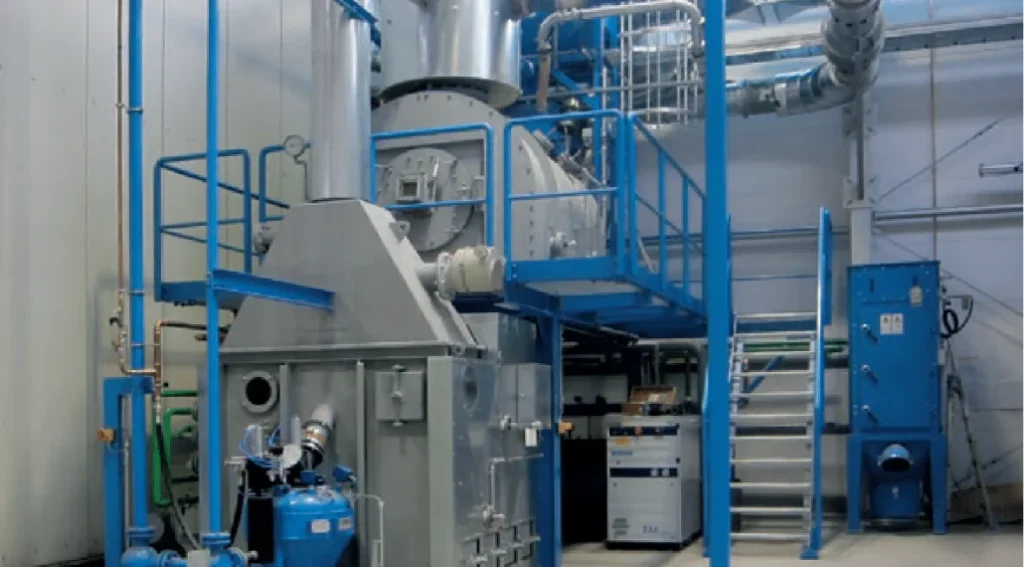
Whether resin sand reclamation costs less than continued disposal depends on the foundry’s material balance, usable reclaimed quality, operating demand and local costs. Compare complete routes over a defined planning period rather than assuming that recycling always pays back within a fixed number of years. Establish the Existing Route Measure new sand entering production, used […]
