
How to Optimize Resin-to-Sand Ratio for Better Casting
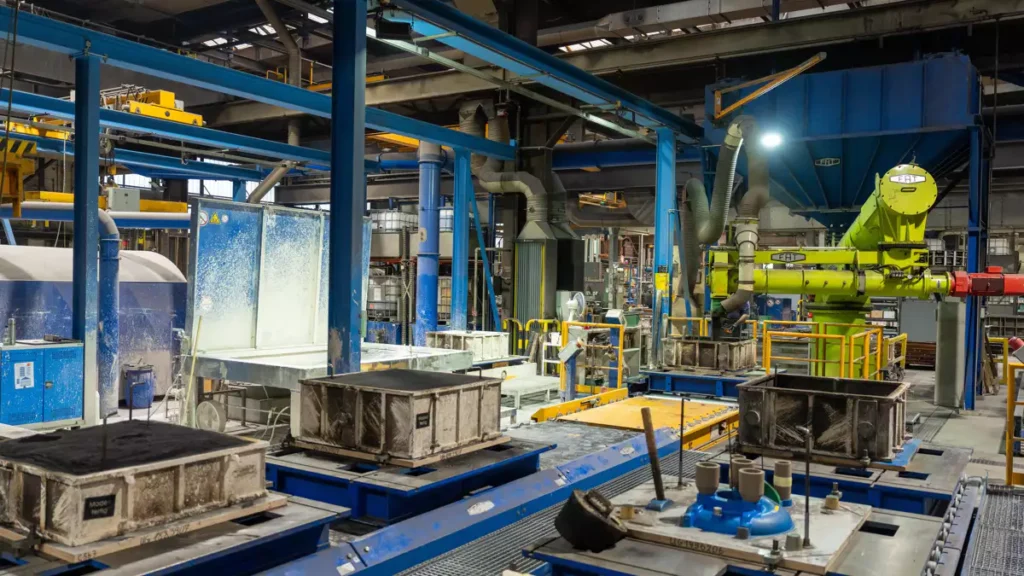
The resin-to-sand ratio expresses a defined binder addition relative to a defined sand mass. It is one variable in a chemically bonded sand process. Establish its meaning and validate the complete formulation before trying to optimize cost or casting quality. State the Calculation Basis For a specified resin component, the addition percentage is its mass […]
Shot Blasting for Surface Cleaning: Comparing Methods and Selection Criteria

Shot blasting is one option for cleaning and preparing suitable surfaces through abrasive impact. Its value depends on the substrate, contamination, access and required finish. Compare it with other methods against a defined job rather than treating it as universally the fastest, safest or most economical choice. Define the Cleaning Requirement Identify the material to […]
Safety Tips Every Operator Should Know About Shot Blasting
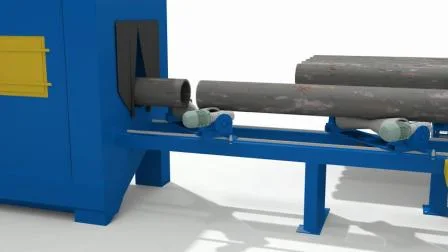
Shot blasting work can expose people to projected abrasive, moving equipment, dust, noise and hazardous energy. Controls must match the equipment, abrasive, workpiece and material being removed. This guide is a planning overview, not a record of customer incidents or a replacement for the machine manual and approved site procedures. Identify the Hazards of the […]
Top 5 Maintenance Tips for Shot Blasting Equipment
Shot blasting maintenance should follow the installed equipment documentation, operating duty and observed condition. The five areas below help organize the program. They do not establish universal replacement intervals, lubricant grades or service-life promises. 1. Inspect Wear Components Against Defined Limits Identify the actual wheels, nozzles, control components, liners, seals and handling parts. Use the […]
How to Select the Right Abrasive Media for Shot Blasting?
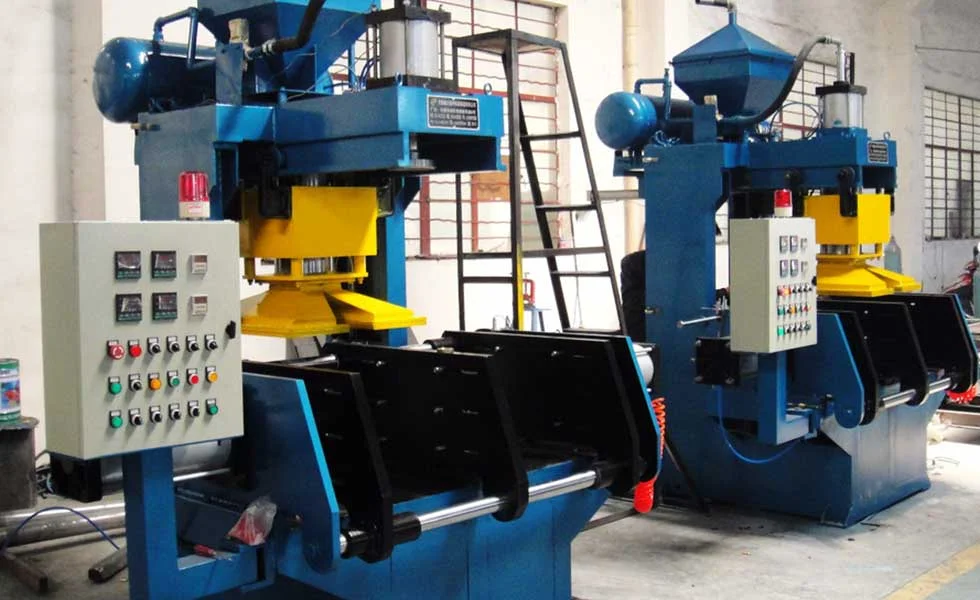
Abrasive selection should align the workpiece, required surface condition and approved equipment configuration. Compare media through representative trials and complete operating costs. No abrasive is universally best for an industry, substrate or production volume. Define the Treatment Objective Identify whether the task is cleaning, coating preparation, cosmetic finishing or a separately qualified peening process. Specify […]
Why Your Castings Still Have Burrs After Blasting?
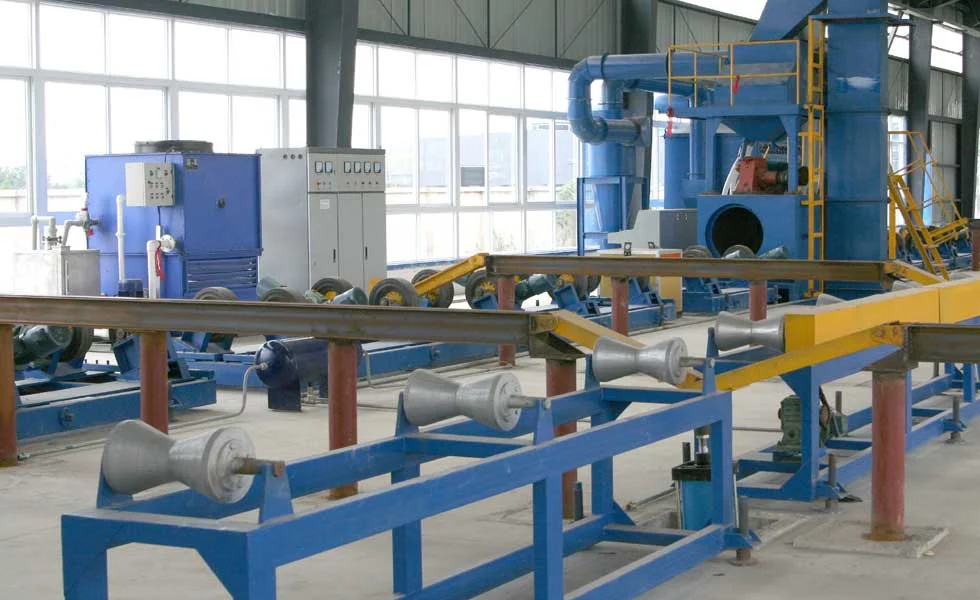
Burrs or excess metal may remain after blasting because their geometry, attachment or location is outside the qualified cleaning capability. Begin by defining the unwanted feature and its acceptance requirement. A cleaner surface is not necessarily a finished edge. Identify the Feature and Its Origin Inspect the location, thickness, root and material condition. Record whether […]
What is a Core Shooter Machine?

A core shooter uses compressed air to deliver prepared sand into a core box. The core forms internal features or other required geometry in a casting. Filling, curing, stripping and handling must work together to produce a core that meets its specification. How the Process Works The machine receives material prepared for a compatible binder […]
Inconsistent Sand Quality: Diagnosing Preparation and Mixing Problems
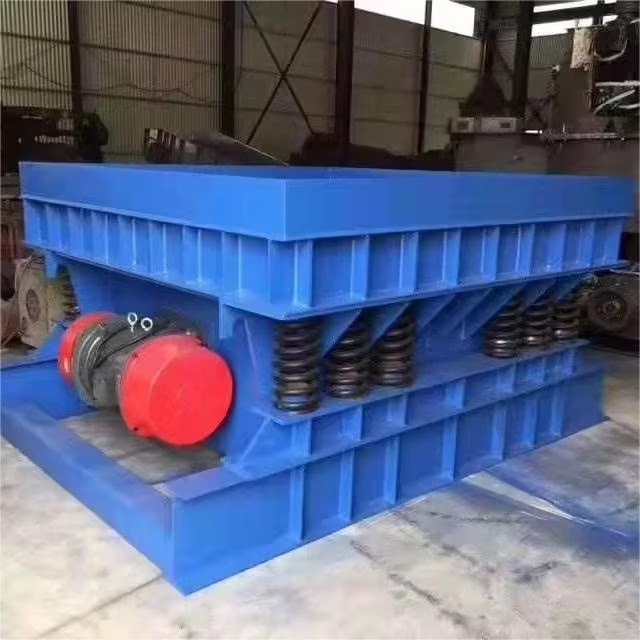
Variable molding-sand properties can contribute to casting-quality problems, but the investigation should include incoming material, preparation, handling and molding. A mixer is one part of that system. Do not assume that every increase in scrap or binder use proves the mixer needs replacement. Define the Sand Process Identify whether the material is green sand or […]
How to Optimize Resin Sand Ratios for Better Molding?

Resin addition in chemically bonded sand should be established for the selected binder system, sand and casting requirement. Optimization means finding a qualified operating range that meets the process criteria. It does not mean choosing the lowest addition or applying a universal percentage. Identify the Exact Material System Record the resin products, other required components, […]
Technical Support and Features of the Hanger Shot Blasting Machine

A hanger shot blasting machine suspends workpieces on a rated hook or fixture and moves them through an abrasive-blasting sequence. It can be evaluated when tumbling contact is unsuitable or suspended handling fits the part. Coverage and surface quality still require representative testing. Workpiece Handling and Exposure Review the complete suspended load, fixture strength, center […]
